 08045479576
 08045479576

 Send Inquiry
Carprofen 53716-49-7
Price 32000.0 INR/ Kilograms
MOQ : 5 Kilograms
Carprofen 53716-49-7 Specification
- Molecular Formula
- C15H12ClNO2
- Melting Point
- 214 216 C
- Molecular Weight
- 273.714 Grams (g)
- Shelf Life
- 5 Years
- Storage
- Room Temperature
- Smell
- No Smell
- Solubility
- Water: Slightly soluble Alcohol, DMSO, and other organic solvents: Soluble
- Loss on Drying
- 0.5% (USP spec)
- Boiling point
- Not applicable (decomposes)
- Taste
- Odorless
- Medicine Name
- Carprofen
- CAS No
- 53716-49-7
- Usage
- Human Use: Previously investigated for human use but withdrawn due to liver side effects in some cases. Not approved for human use today.
- Purity(%)
- 99.9
- Appearance
- White crystalline powder
- Physical Form
- Powder
Carprofen 53716-49-7 Trade Information
- Minimum Order Quantity
- 5 Kilograms
- FOB Port
- Mumbai
- Payment Terms
- Cash Against Delivery (CAD), Cash on Delivery (COD), Cash Advance (CA), Cash in Advance (CID), Days after Acceptance (DA), Delivery Point (DP), Letter of Credit at Sight (Sight L/C), Telegraphic Transfer (T/T), Letter of Credit (L/C)
- Supply Ability
- 10000 Kilograms Per Month
- Delivery Time
- 7 Days
- Sample Available
- No
- Sample Policy
- Free samples are available
- Packaging Details
- Drum and bag packing
- Main Export Market(s)
- Asia, Australia, Central America, North America, South America, Eastern Europe, Western Europe, Middle East, Africa
- Certifications
- WE PROVIDES ALL KIND OF CERTIFICATIONS AS YOU REQUIRED
Carprofen 53716-49-7 About
Carprofen is a non-steroidal anti-inflammatory drug (NSAID) primarily used in veterinary medicine, especially for dogs, to relieve pain and inflammation associated with osteoarthritis, post-operative recovery, and musculoskeletal disorders.
Chemical Information:
-
Chemical Name: 6-Chloro--methylcarbazole-2-acetic acid
-
Molecular Formula: CHClNO
-
Molecular Weight: 273.72 g/mol
-
CAS Number: 53716-49-7
-
EINECS Number: 258-995-4
Appearance:
-
Form: Crystalline powder
-
Color: White to off-white
-
Odor: Odorless
-
Solubility:
-
Water: Slightly soluble
-
Alcohol, DMSO, and other organic solvents: Soluble
-
Primary Uses:
-
Dogs:
-
Treatment of pain and inflammation from osteoarthritis or surgery.
-
Available in chewable tablets, caplets, and injectable solutions.
-
-
Other Animals:
-
Occasionally used off-label in cats, horses, or small mammals, under strict veterinary supervision.
-
-
Human Use:
-
Previously investigated for human use but withdrawn due to liver side effects in some cases. Not approved for human use today.
-
Mechanism of Action:
-
Inhibits cyclooxygenase (COX) enzymes, mainly COX-2, reducing the production of prostaglandins, which are mediators of pain and inflammation.
-
Carprofen is considered to have COX-2 selectivity, which may reduce the risk of gastrointestinal side effects compared to non-selective NSAIDs.
Dosage Forms:
-
Chewable tablets: 25 mg, 75 mg, 100 mg
-
Caplets and injections (typically 50 mg/mL solution)
-
Oral dosing for dogs: 2 mg/lb (4.4 mg/kg) daily, often divided into 2 doses
Side Effects in Animals:
-
Common: Vomiting, diarrhea, loss of appetite
-
Serious: Liver enzyme elevation, kidney issues, gastrointestinal ulceration
-
Regular blood tests are recommended during long-term use.
Key Physical Properties
Carprofen presents as a white crystalline, odorless powder with a molecular weight of 273.714 grams. It remains stable for up to five years under proper room temperature storage. The compound has negligible loss on drying (0.5%), and while it decomposes before boiling, it melts between 214216C. Its solubility profile includes slight water solubility and ready dissolution in alcohol, DMSO, and similar solvents.
Safety and Regulatory Status
Despite prior investigations into its use for human medicine, Carprofen is no longer approved for human therapeutic applications due to the risk of liver-related side effects in some patients. It is crucial to note that contemporary regulatory guidelines do not permit its use in humans, and any handling should adhere to established safety protocols provided by the distributor or manufacturer.
FAQs of Carprofen 53716-49-7:
Q: How is Carprofen stored to maximize its shelf life?
A: Carprofen should be stored at room temperature in a tightly sealed container to maintain its efficacy and extend its shelf life up to five years. Protecting the compound from moisture and direct sunlight is recommended.Q: What was Carprofen previously used for in human medicine?
A: Carprofen was investigated for its potential as a human medicine, primarily for its anti-inflammatory and analgesic properties. However, it is no longer approved for human use due to liver side effects observed in some cases.Q: When does Carprofen decompose, and what is its melting point?
A: Carprofen decomposes before boiling, making a specific boiling point inapplicable. Its melting point is between 214 and 216C, where it transitions from solid to liquid under controlled conditions.Q: Where is Carprofen commonly manufactured and distributed?
A: Carprofen is distributed, exported, and manufactured mainly by pharmaceutical suppliers and traders based in India who adhere to international standards for purity and quality.Q: What is the solubility profile of Carprofen?
A: Carprofen is slightly soluble in water but dissolves readily in alcohol, DMSO, and various organic solvents, making it suitable for specific pharmaceutical manufacturing processes that utilize these solvents.Q: How can Carprofen be identified in its physical form?
A: Carprofen appears as a white, crystalline powder with no detectable odor or taste. These features, along with its defined melting point and solubility characteristics, help in its identification during quality assessment.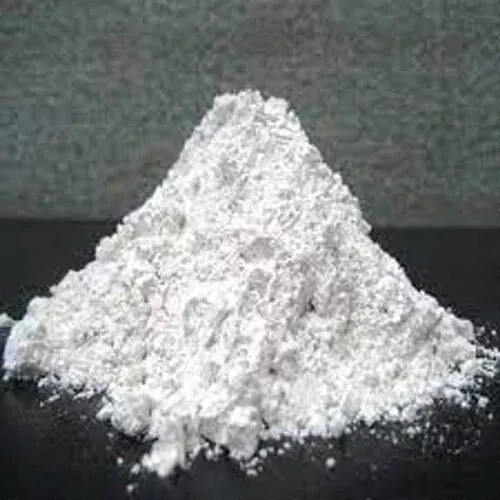

Tell us about your requirement

Price:
Quantity
Select Unit
- 50
- 100
- 200
- 250
- 500
- 1000+
Additional detail
Mobile number
Email

More Products in Pharma Raw Materials Category
Meropenem Sodium
Price 9500.0 INR / Kilograms
Minimum Order Quantity : 5 Kilograms
Appearance : White crystalline powder
Color : White
Storage : Room Temperature
Physical Form : Powder
Flumethrin 69770-45-2
Price 345 INR / Kilograms
Minimum Order Quantity : 5 Kilograms
Appearance : White crystalline powder
Color : White
Storage : Room Temperature
Physical Form : Powder
Deferiprone 30652-11-0
Price 8000 INR / Kilograms
Minimum Order Quantity : 5 Kilograms
Appearance : White crystalline powder
Color : White
Storage : Room Temperature
Physical Form : Powder
Potassium Hypophosphite Bpc-Nf
Price 560 INR / Kilograms
Minimum Order Quantity : 5 Kilograms
Appearance : White crystalline powder
Color : White
Storage : Room Temperature
Physical Form : Powder

Contact Us

- 311, Atlantis Heights, Sarabhai Main Road, Vadiwadi,Vadodara - 390007, Gujarat, India
- Phone :08045479576

-
 Send Inquiry
Mr. Nilesh Bansilal Sheth (Partner)
Mobile :08037400111
 : nilesh.sheth70
MR. Tushar V. Kavade (Partner) : tushar.kavade
 Send Inquiry
|


SHREEJI PHARMA INTERNATIONAL
All Rights Reserved.(Terms of Use)
Developed and Managed by Infocom Network Private Limited.
Developed and Managed by Infocom Network Private Limited.

