 08045479576
 08045479576

 Send Inquiry
Erythromycin Ethylsuccinate
Price 4000.0 INR/ Kilograms
MOQ : 25 Kilograms
Erythromycin Ethylsuccinate Specification
- Molecular Formula
- C H NO
- Ph Level
- Not specified
- Storage
- Dry Place
- Solubility
- Water: Practically insoluble
- Smell
- No Smell
- Melting Point
- 219 224 C
- HS Code
- 29415000
- Loss on Drying
- Not specified
- Particle Size
- Not specified
- Shelf Life
- 3 Years
- Taste
- Odorless
- Boiling point
- Approximately 778.19 C at 760 mmHg
- EINECS No
- 215-033-8
- Molecular Weight
- 862.05 GSM (gm/2)
- Heavy Metal (%)
- Not specified
- Medicine Name
- Erythromycin Ethylsuccinate.
- Chemical Name
- Erythromycin Ethylsuccinate.
- CAS No
- 41342-53-4
- Type
- Pharmaceutical Intermediates
- Grade
- Medicine Grade
- Usage
- Used in preventing bacterial endocarditis in patients who are allergic to penicillin. Dosage and Administration: Erythromycin ethylsuccinate is typically available in oral tablets or suspensions. Adult Dosage: The typical dosage ranges from 250 mg to 500 mg every 6 hours depending on the severity of the infection and the patient s response. Pediatric Dosage: The dose for children is typically based on weight, generally around 30-50 mg/kg per day divided into multiple doses. It is important to follow the healthcare provider s instructions regarding dosing and duration of treatment to prevent resistance and ensure the infection is fully treated.
- Purity(%)
- 99
- Appearance
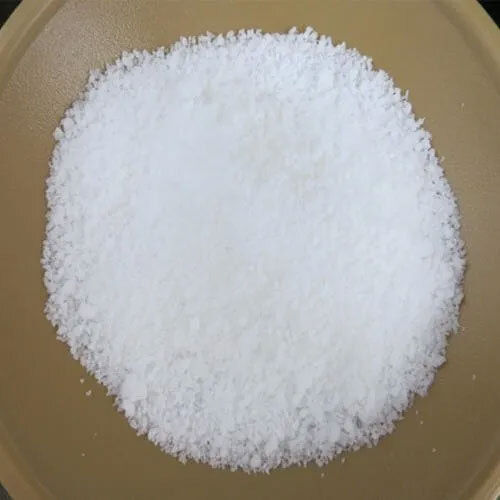
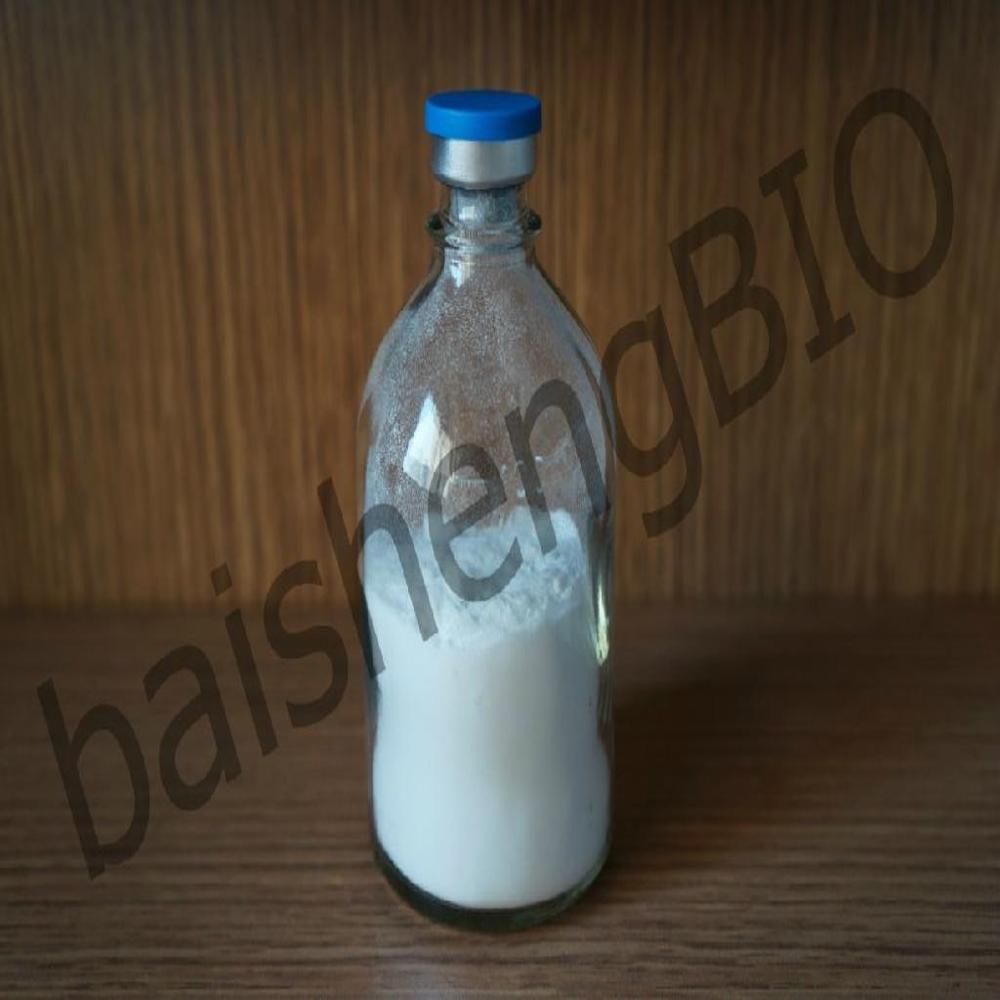
- White to yellowish crystalline solid
- Physical Form
- Powder
Erythromycin Ethylsuccinate Trade Information
- Minimum Order Quantity
- 25 Kilograms
- FOB Port
- mumbai
- Payment Terms
- Cash Advance (CA), Cash in Advance (CID), Delivery Point (DP), Letter of Credit at Sight (Sight L/C), Telegraphic Transfer (T/T), Letter of Credit (L/C), Cash Against Delivery (CAD)
- Supply Ability
- 100 Kilograms Per Day
- Delivery Time
- 7 Days
- Sample Available
- No
- Sample Policy
- Free samples are available
- Packaging Details
- DRUM PACK / BAG PACK
- Main Export Market(s)
- Asia, Australia, Central America, North America, South America, Eastern Europe, Western Europe, Middle East, Africa
- Certifications
- WE PROVIDES ALL KIND OF CERTIFICATIONS AS YOU REQUIRED
Erythromycin Ethylsuccinate About
We are offering high quality of Erythromycin Ethylsuccinate. We are known for manufacturing, exporting, distributing, trading and supplying Erythromycin Ethylsuccinate
in Gujarat, India. Further, this is safely packaged by our professionals in diverse packaging options that maintain its purity and effectiveness.
Shreeji Pharma International is leading Manufacturer, Exporter, Distributor, and Supplier of Erythromycin Ethylsuccinate
in Gujarat. India. Shreeji Pharma International manufacturing & supplying all products under GMP site with all types of regulatory supports.
Shreeji Pharma International is the largest manufacturer, Exporter and supplier of Erythromycin Ethylsuccinate. Nowadays Shreeji Pharma International is one of the leading manufacturer and exporter, who is manufacturing Erythromycin Ethylsuccinate as well as Intermediates of Erythromycin Ethylsuccinate.
Shreeji Pharma International is exporter, supplier, distributor and manufacturers of the Active Pharmaceuticals Ingredients in many countries for many years.
Shreeji Pharma International currently export Erythromycin Ethylsuccinate to countries like Gulf Countries, South East Asia countries, African Countries, CIS Countries, LATAM countries, Central American Countries and in European countries.
Erythromycin Ethylsuccinate is an ester of erythromycin, a macrolide antibiotic, used primarily for the treatment of various bacterial infections. It is an orally bioavailable form of erythromycin, meaning it is designed to be taken by mouth. Below is a detailed description of Erythromycin Ethylsuccinate:
Chemical Name:
Erythromycin Ethylsuccinate.
Molecular Formula:
C22H42N2O8 (for the ethylsuccinate ester form).
Chemical Structure:
Erythromycin ethylsuccinate is derived from the macrolide antibiotic erythromycin by the addition of an ethylsuccinate ester group. The structure retains the characteristic 14-membered lactone ring common to macrolides, which is responsible for its antibacterial activity.
Pharmacokinetics:
Absorption: Erythromycin ethylsuccinate is well absorbed from the gastrointestinal tract after oral administration. It has better bioavailability compared to other forms of erythromycin, such as erythromycin base.
Metabolism: It is metabolized in the liver to erythromycin, which is then further processed by the liver.
Elimination: The drug and its metabolites are excreted in the urine. Erythromycin may also be excreted in small amounts in the bile.
Indications:
Erythromycin ethylsuccinate is primarily used for the treatment of infections caused by susceptible bacteria, including:
Respiratory Tract Infections:
Pneumonia (community-acquired), bronchitis, and other upper respiratory infections caused by susceptible pathogens like Streptococcus pneumoniae, Haemophilus influenzae, or Mycoplasma pneumoniae.
Skin and Soft Tissue Infections:
For treating conditions like cellulitis or impetigo caused by susceptible organisms, such as Staphylococcus aureus or Streptococcus pyogenes.
Ear Infections:
Otitis media and other middle ear infections caused by susceptible bacteria.
Gastrointestinal Infections:
Some forms of gastrointestinal infections caused by organisms like Campylobacter jejuni.
Sexually Transmitted Infections (STIs):
Treatment of infections like chlamydia or gonorrhea, where erythromycin-sensitive organisms are involved.
Preventive Treatment:
Used in preventing bacterial endocarditis in patients who are allergic to penicillin.
Dosage and Administration:
Erythromycin ethylsuccinate is typically available in oral tablets or suspensions.
Adult Dosage: The typical dosage ranges from 250 mg to 500 mg every 6 hours depending on the severity of the infection and the patients response.
Pediatric Dosage: The dose for children is typically based on weight, generally around 30-50 mg/kg per day divided into multiple doses.
It is important to follow the healthcare providers instructions regarding dosing and duration of treatment to prevent resistance and ensure the infection is fully treated.
Side Effects:
Common side effects include:
Gastrointestinal issues: Nausea, vomiting, abdominal pain, and diarrhea are common side effects.
Liver Enzyme Elevations: Erythromycin may cause liver dysfunction or increase liver enzyme levels, which is usually reversible once the medication is discontinued.
Allergic Reactions: Rash, fever, and rarely more severe reactions like anaphylaxis or angioedema.
QT Prolongation: Erythromycin may prolong the QT interval in some patients, which could lead to arrhythmias (particularly if taken with other drugs that also prolong the QT interval).
Precautions:
Liver Disease: Caution is advised when using erythromycin in patients with liver disease, as the drug is metabolized in the liver. Liver function tests may be needed for patients with pre-existing liver conditions.
Drug Interactions: Erythromycin inhibits the cytochrome P450 enzymes, particularly CYP3A4, which can increase the plasma levels of other drugs metabolized by these enzymes. Care should be taken when used alongside drugs like warfarin, theophylline, statins, and other medications that can interact with the cytochrome P450 system.
Prolonged Use: Prolonged use or inappropriate use of erythromycin may lead to antibiotic resistance.
QT Prolongation: As mentioned, erythromycin can prolong the QT interval, so it should be used cautiously in patients with known heart conditions, especially if they are on other medications that prolong the QT interval.
Storage:
Erythromycin ethylsuccinate should be stored at room temperature in a cool, dry place. It should be kept in a tightly sealed container to avoid moisture.
Liquid formulations should be stored according to the manufacturers instructions and typically should be used within a specified time after reconstitution.
Tell us about your requirement

Price:
Quantity
Select Unit
- 50
- 100
- 200
- 250
- 500
- 1000+
Additional detail
Mobile number
Email

More Products in Active Pharmaceuticals Ingredients (API) Category

Pyrantel Pamoate
Price 1700.0 INR / Kilograms
Minimum Order Quantity : 25 Kilograms
Storage : Room Temperature
Grade : Medicine Grade
Physical Form : Powder
Amlodipine Besylate
Price 2300.0 INR / Kilograms
Minimum Order Quantity : 25 Kilograms
Storage : Room Temperature
Grade : Medicine Grade
Physical Form : Liquid
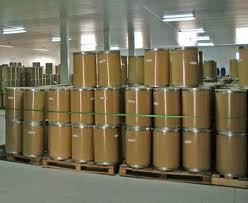
Loratadine Powder
Price Range 25.00 - 50.00 INR / Kilograms
Minimum Order Quantity : 25 Kilograms
Storage : Room Temperature
Grade : Medicine Grade
Physical Form : Liquid
Mephenesin
Price Range 25.00 - 50.00 INR
Minimum Order Quantity : 25 Kilograms, ,
Storage : Room Temperature
Grade : Medicine Grade
Physical Form : Solid

Contact Us

- 311, Atlantis Heights, Sarabhai Main Road, Vadiwadi,Vadodara - 390007, Gujarat, India
- Phone :08045479576

-
 Send Inquiry
Mr. Nilesh Bansilal Sheth (Partner)
Mobile :08037400111
 : nilesh.sheth70
MR. Tushar V. Kavade (Partner) : tushar.kavade
 Send Inquiry
|


SHREEJI PHARMA INTERNATIONAL
All Rights Reserved.(Terms of Use)
Developed and Managed by Infocom Network Private Limited.
Developed and Managed by Infocom Network Private Limited.

