 08045479576
 08045479576

 Send Inquiry
Potassium Glycerophosphate
Price 600.0 INR/ Kilograms
MOQ : 25 Kilograms
Potassium Glycerophosphate Specification
- Molecular Formula
- C H K O P
- Molecular Weight
- 248.25 Kilograms (kg)
- Boiling point
- 485.5 C at 760 mmHg
- Taste
- Salty
- Particle Size
- Not available
- Melting Point
- Not available
- Solubility
- In Water: Very soluble Potassium glycerophosphate dissolves readily in water, forming a clear solution. This makes it highly suitable for use in oral, injectable, and parenteral formulations. In Alcohol (e.g., ethanol): Soluble While not as soluble as in water, it can dissolve in alcohol to a useful degree, depending on the concentration. In Organic Solvents (e.g., ether, chloroform, benzene): Insoluble or poorly soluble It does not dissolve well in most non-polar organic solvents. Practical Notes: Usage Implication: Its high water solubility makes it excellent for nutrient infusions, electrolyte balancing solutions, and fortified beverages. pH of Aqueous Solution: A 20% solution in water typically has a pH between 9.5 and 11.3, indicating a mildly alkaline nature.
- Loss on Drying
- 6.0% max
- Storage
- Room Temperature
- Shelf Life
- 3 Years
- HS Code
- 29199090
- Heavy Metal (%)
- 10 ppm Max
- Ph Level
- pH (200g/L, 25 C): 9.5 11.3
- Structural Formula
- HOCH2 - CH(OH) - CH2 - O - PO3K2
- Smell
- No Smell
- EINECS No
- 215-291-1
- Medicine Name
- Potassium Glycerophosphate
- Chemical Name
- 1,2,3-Propanetriol, mono(dihydrogen phosphate), dipotassium salt
- CAS No
- 1319-69-3
- Type
- Pharmaceutical Intermediates
- Grade
- Medicine Grade
- Usage
- Potassium is used for treating and preventing low potassium levels. It is also used to treat high blood pressure and prevent stroke. Some people use it to treat high levels of calcium, a type of dizziness called Meni res disease, thallium poisoning, insulin resistance, symptoms of menopause, and infant colic. Medical Use: Supplement for treating and preventing low potassium levels; used in parenteral nutrition. Pharmaceutical Intermediates: Used in the synthesis of other compounds. Food Additive: Acts as a mineral fortifier. Cosmetic Industry: Employed for its moisturizing properties.
- Purity(%)
- Typically 75%
- Appearance
- White to off-white crystalline powder
- Physical Form
- Solid
Potassium Glycerophosphate Trade Information
- Minimum Order Quantity
- 25 Kilograms
- FOB Port
- Mumbai Port
- Payment Terms
- Cash Against Delivery (CAD), Cash on Delivery (COD), Cash Advance (CA), Cash in Advance (CID), Delivery Point (DP), Letter of Credit at Sight (Sight L/C), Letter of Credit (L/C)
- Supply Ability
- 100 Kilograms Per Day
- Delivery Time
- 7 Days
- Sample Available
- No
- Sample Policy
- Free samples are available
- Packaging Details
- Drum packing
- Main Export Market(s)
- Asia, Australia, South America, Eastern Europe, Western Europe, Middle East, Central America, North America, Africa
- Main Domestic Market
- All India
- Certifications
- WE PROVIDES ALL KIND OF CERTIFICATIONS AS YOU REQUIRED
Potassium Glycerophosphate About
We are offering high quality of Potassium Glycerophosphate. We are known for manufacturing, exporting, distributing, trading and supplying Potassium Glycerophosphate in Gujarat, India. Further, this is safely packaged by our professionals in diverse packaging options that maintain its purity and effectiveness.
Shreeji Pharma International is leading Manufacturer, Exporter, Distributor, and Supplier Potassium Glycerophosphate in Gujarat. India. Shreeji Pharma International manufacturing & gmp; supplying all products under GMP site with all types of regulatory supports.
Shreeji Pharma International is the largest manufacturer, Exporter and supplier of Potassium Glycerophosphate. Nowadays Shreeji Pharma International is one of the leading manufacturer and exporter, who are manufacturing Potassium Glycerophosphate as well as Intermediates of Potassium Glycerophosphate.
Shreeji Pharma International is exporter, supplier, distributor and manufacturers of the Active Pharmaceuticals Ingredients in many countries for many years.
Shreeji Pharma International currently exports Potassium Glycerophosphate to countries like Gulf Countries, South East Asia countries, African Countries, CIS Countries, LATAM countries, Central American Countries and in European countries.
1. General Information: Potassium glycerophosphate, also known as dipotassium glycerophosphate, is a chemical compound with the molecular formula CHKOP and a molecular weight of 248.25 g/mol. Physical Properties: Appearance: Typically available as a pale yellow, viscous liquid.Solubility: Soluble in water and alcohol. , Boiling Point: Approximately 485.5C at 760 mmHg.Density: Around 1.34 g/mL, Applications: Potassium glycerophosphate is utilized in various scientific research fields, particularly in biochemistry. It serves as a buffering agent in cell culture media, aids in enzyme assay preparations, acts as a substrate for phosphatases, and provides an energy source for metabolic processes
Safety Information: The compound is generally recognized as safe (GRAS) when used in accordance with good manufacturing or feeding practices. However, toxicity data indicate moderate toxicity via intraperitoneal and intravenous routes in animal studies. For instance, the intraperitoneal LD in rats is reported at 935 mg/kg. Proper handling and adherence to safety guidelines are essential.
For comprehensive safety data, consult the material safety data sheet (MSDS) provided by the manufacturer. (2). Functions & Uses: A. Pharmaceutical Uses: Electrolyte Replacement Therapy: Helps maintain potassium levels in the body, preventing hypokalemia (low potassium levels).
Energy Production: Provides phosphate groups for ATP (Adenosine Triphosphate) synthesis, enhancing cellu lar energy metabolism.B. Food & Beverage Industry: Food Additive (E340): Functions as an acidity regulator and mineral fortifier in processed foods. Electrolyte Source: Added to sports drinks, nutritional supplements, and medical foods to support hydration and electrolyte balance.C. Veterinary & Animal Nutrition: Used in animal feed to improve electrolyte balance and energy metabolism. (3). Dosage & Administration: Oral Supplements: Commonly found in capsules, tablets, or liquid formulations. (4). Side Effects & Precautions: Possible Side Effects: Nausea, vomiting, Diarrhea or digestive discomfort, Hyperkalemia (excess potassium) if taken in high doses, Kidney strain in patients with renal impairment (5). Storage & Stability: Storage Conditions: Keep in a cool, dry place away from moisture and direct sunlight. Shelf Life: Typically 23 years under proper storage conditions.


Tell us about your requirement

Price:
Quantity
Select Unit
- 50
- 100
- 200
- 250
- 500
- 1000+
Additional detail
Mobile number
Email

More Products in Active Pharmaceuticals Ingredients (API) Category
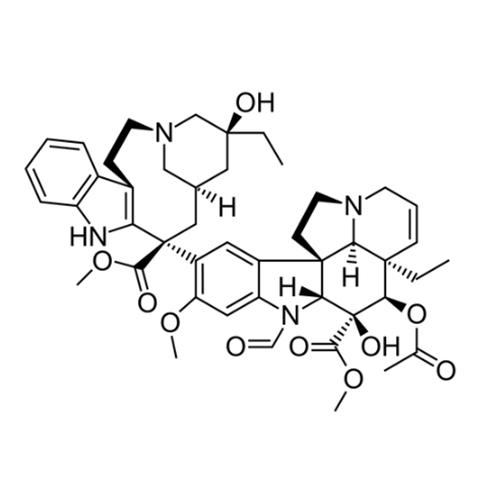
Sild enafil Citrate Powder
Price 1425.0 INR / Kilograms
Minimum Order Quantity : 25 Kilograms
Type : Pharmaceutical Intermediates
Molecular Formula : C22H30N6O4S
Molecular Weight : 1 GSM (gm/2)
Esomeprazole Magnesium
Price 1120.0 INR / Kilograms
Minimum Order Quantity : 25 Kilograms
Type : Pharmaceutical Intermediates
Molecular Formula : C34H42MgN6O9S2
Molecular Weight : 1018.4 GSM (gm/2)

Nifuroxazide
Price Range 25.00 - 50.00 INR / Kilograms
Minimum Order Quantity : 25 Kilograms, ,
Type : Pharmaceutical Intermediates
Molecular Formula : C12H9N3O5
Molecular Weight : 275.22 g/mol Grams (g)
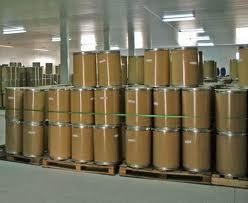
Clarithromycin
Price Range 25.00 - 50.00 INR
Minimum Order Quantity : 25 Kilograms
Type : Pharmaceutical Intermediates
Molecular Formula : C38H69NO13
Molecular Weight : 748 g/mol

Contact Us

- 311, Atlantis Heights, Sarabhai Main Road, Vadiwadi,Vadodara - 390007, Gujarat, India
- Phone :08045479576

-
 Send Inquiry
Mr. Nilesh Bansilal Sheth (Partner)
Mobile :08037400111
 : nilesh.sheth70
MR. Tushar V. Kavade (Partner) : tushar.kavade
 Send Inquiry
|


SHREEJI PHARMA INTERNATIONAL
All Rights Reserved.(Terms of Use)
Developed and Managed by Infocom Network Private Limited.
Developed and Managed by Infocom Network Private Limited.

