 08045479576
 08045479576

 Send Inquiry
Xanthan Gum
Price 280.0 INR/ Kilograms
MOQ : 25 Kilograms
Xanthan Gum Specification
- Smell
- No Smell
- Ph Level
- Stable between pH 4 to 10
- Solubility
- 10 ppm
- Loss on Drying
- 12.0%
- EINECS No
- 283-937-2
- Heavy Metal (%)
- 10 ppm
- Storage
- Room Temperature
- Shelf Life
- 3 Years
- HS Code
- 13023900
- Molecular Formula
- (C_35H_49O_29)
- Particle Size
- 100 400 microns
- Taste
- Odorless
- Medicine Name
- Xanthan Gum
- CAS No
- 11138-66-2
- Type
- Pharmaceutical Intermediates
- Grade
- Cosmetic Grade
- Usage
- Invasive Aspergillosis First-line treatment for Aspergillus infections, especially in immunocompromised patients Candidemia (non-neutropenic patients) Alternative treatment for bloodstream infections caused by Candida species Esophageal Candidiasis Effective for oropharyngeal and esophageal fungal infections Invasive Candidiasis Used in patients unresponsive or intolerant to amphotericin B Fusarium and Scedosporium Infections One of the few agents active against these rare but deadly molds Prophylaxis in Transplant Patients Used to prevent fungal infections in high-risk hematopoietic stem cell transplant recipients
- Purity(%)
- 98%
- Appearance
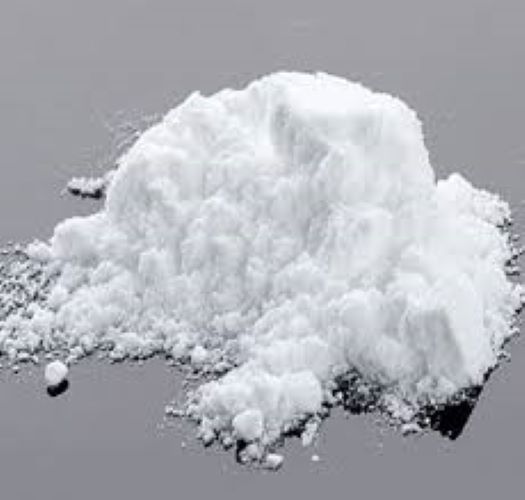
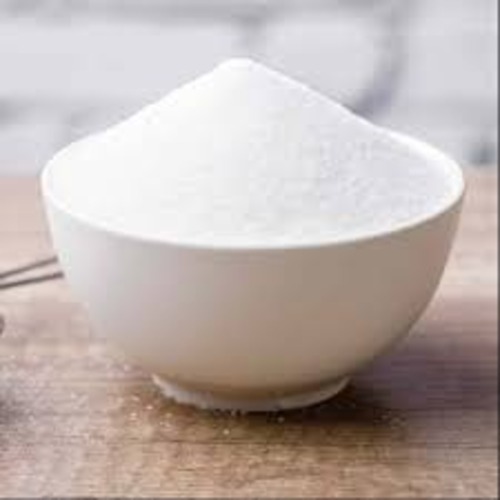
- White to cream-colored powder or granules
Xanthan Gum Trade Information
- Minimum Order Quantity
- 25 Kilograms
- FOB Port
- MUMBAI
- Payment Terms
- Cash Advance (CA), Cash in Advance (CID)
- Supply Ability
- 100 Kilograms Per Day
- Delivery Time
- 7 Days
- Sample Available
- No
- Sample Policy
- Free samples are available
- Packaging Details
- DRUM
- Main Export Market(s)
- Western Europe, Middle East, Africa, Asia, Australia, Central America, North America, South America, Eastern Europe
- Certifications
- WE PROVIDES ALL KIND OF CERTIFICATIONS AS YOU REQUIRED
Xanthan Gum About
We are offering high quality of Xanthan Gum Food Grade. We are known for manufacturing, exporting, distributing, trading and supplying Xanthan Gum Food Grade in in Gujarat, India. Further, this is safely packaged by our professionals in diverse packaging options that maintain its purity and effectiveness.
Shreeji Pharma International is leading Manufacturer, Exporter, Distributor, and Supplier Xanthan Gum Food Grade in Gujarat. India. Shreeji Pharma International manufacturing & gmp; supplying all products under GMP site with all types of regulatory supports.
Shreeji Pharma International is the largest manufacturer, Exporter and supplier of Xanthan Gum Food Grade. Nowadays Shreeji Pharma International is one of the leading manufacturer and exporter, who is manufacturing Xanthan Gum Food Grade as well as Intermediates of Xanthan Gum Food Grade.
Shreeji Pharma International is exporter, supplier, distributor and manufacturers of the Active Pharmaceuticals Ingredients in many countries for many years.
Shreeji Pharma International currently export Xanthan Gum Food Grade to countries like Gulf Countries, South East Asia countries, African Countries, CIS Countries, LATAM countries, Central American Countries and in European countries.
Xanthan Gum is a natural polysaccharide (a type of carbohydrate) used as a thickening agent, stabilizer, and emulsifier in a wide range of food and industrial products. It is produced by fermenting sugars using a bacterium called Xanthomonas campestris. Xanthan gum is widely used in both the food industry and in non-food applications like cosmetics, pharmaceuticals, and industrial products.
General Information:
Chemical Name: Xanthan gum (no specific molecular formula as it is a polymer; it is a complex polysaccharide).
Molecular Formula: C35H49O29.
CAS Number: 11138-66-2.
Synonyms: Corn sugar gum, bacterial gum, E415 (food additive code).
Form: White to off-white powder or granules that are soluble in water.
Appearance: Typically available as a fine powder.
Production:
Xanthan gum is produced through the fermentation of glucose or sucrose by the bacterium Xanthomonas campestris. This fermentation process produces a polysaccharide that is then dried and processed into a fine powder. The polysaccharide structure consists of a backbone of glucose units with side chains of mannose and glucuronic acid.
Uses:
Food Industry:
Thickening Agent: Used to thicken liquids like soups, sauces, dressings, and beverages.
Emulsifier: Helps stabilize emulsions (mixtures of oil and water) in salad dressings, mayonnaise, and creamy products.
Stabilizer: Prevents the separation of ingredients in products like ice cream, dairy, and gluten-free baked goods.
Gluten-Free Baking: Improves the texture and consistency of gluten-free bread and other baked goods by mimicking the structure and texture that gluten provides.
Fat Replacer: Often used in low-fat or fat-free food products to improve mouthfeel and texture.
Cosmetics and Personal Care:
Used in products like lotions, shampoos, conditioners, and skin creams to provide viscosity and stability.
Helps prevent separation of ingredients and enhances the texture of cosmetics.
Pharmaceuticals:
Suspending Agent: Used in liquid medications to keep active ingredients suspended.
Controlled-Release Products: Used in the formulation of tablets and capsules for controlled-release drug delivery.
Industrial Applications:
Oil Industry: In hydraulic fracturing (fracking), it is used to thicken fluids and suspend particles.
Textile Industry: Used in the production of dyes and textile finishing processes.
Other Uses:
Agriculture: Sometimes used as a binder in certain products.
Cleaning Products: Found in some cleaning formulations to improve texture and stability.
Mechanism of Action:
Xanthan gum works by forming a gel-like substance when mixed with water. This ability to form a gel makes it an effective thickening agent. It is highly soluble in water and can thicken both hot and cold liquids. Xanthan gums viscosity is pH-independent and it can maintain its thickening properties over a wide range of temperatures and pH levels, making it versatile in various formulations.
Advantages:
Effective Thickener: Even in small quantities, xanthan gum can thicken liquids significantly.
Stable Under Different Conditions: It remains stable in both hot and cold conditions, and is resistant to changes in pH.
Versatile: It can be used in a wide range of applications, from food products to pharmaceuticals and cosmetics.
Gluten-Free: It is commonly used in gluten-free products to provide structure and texture to baked goods.
Non-toxic and Safe for Consumption: Xanthan gum is generally recognized as safe (GRAS) by the FDA for use in food products.
Health Benefits and Considerations:
Dietary Fiber:
Xanthan gum is a source of soluble fiber. When consumed, it can absorb water and help regulate bowel movements, contributing to digestive health.
Low-Calorie and Gluten-Free:
It is widely used in gluten-free products, helping to create a texture similar to that of gluten-containing foods.
Potential Side Effects:
Digestive Issues: Some people may experience bloating, gas, or diarrhea when consuming large quantities of xanthan gum, especially if they are sensitive to fiber.
Allergic Reactions: Although rare, some individuals might experience allergic reactions, including symptoms like rashes or swelling.
Choking Hazard: Xanthan gum should be consumed with plenty of water, as it can expand and cause a choking hazard if ingested without sufficient fluid.
Safety in Food:
Generally Recognized as Safe (GRAS): Xanthan gum is considered safe for human consumption by the FDA, and it is widely used as a food additive. It is typically added in small quantities, usually around 0.5-1% of the total weight of a product.
Recommended Dosage:
In food products, the amount of xanthan gum used typically ranges from 0.5% to 1% of the total weight of the product. For personal care products and pharmaceuticals, the amount depends on the desired consistency and effect.
Storage:
Shelf Life: Xanthan gum has a long shelf life when stored properly.
Storage Conditions: Store in a cool, dry place, away from moisture and heat. Keeping it in an airtight container helps prevent it from absorbing moisture, which could alter its texture and effectiveness.
Packaging: Typically packaged in sealed containers to maintain freshness.
Environmental Impact:
Xanthan gum is biodegradable and does not pose a significant environmental hazard when used properly. However, its production involves fermentation processes, and its environmental footprint may vary depending on the scale and production methods used.
Conclusion:
Xanthan Gum is a widely used, safe, and effective thickening agent, stabilizer, and emulsifier in various industries, especially food and pharmaceuticals. Its versatility, effectiveness in both hot and cold liquids, and ability to mimic gluten in gluten-free products make it invaluable. It has a generally good safety profile, although excessive consumption could lead to digestive issues. For most uses, it is added in small amounts and is considered safe for consumption, with GRAS status given by the FDA.
Tell us about your requirement

Price:
Quantity
Select Unit
- 50
- 100
- 200
- 250
- 500
- 1000+
Additional detail
Mobile number
Email

More Products in Cosmetic Ingredients Category
Sodium Propylparaben
Price 350.0 INR / Kilograms
Minimum Order Quantity : 25 Kilograms
Grade : Cosmetic Grade
Physical Form : Solid
Medicine Name : Sodium Propylparaben
Ciclopirox Olamine
Price 28000.0 INR / Kilograms
Minimum Order Quantity : 25
Grade : Cosmetic Grade
Physical Form : Liquid
Medicine Name : Ciclopirox Olamine
Diaminopyrimidine Oxide
Price Range 25.00 - 50.00 INR
Minimum Order Quantity : 25 Kilograms,
Grade : Cosmetic Grade
Physical Form : Powder
Medicine Name : Diaminopyrimidine Oxide
Octyl Methoxycinnamate
Price Range 25.00 - 50.00 INR
Minimum Order Quantity : 25 Kilograms
Grade : Cosmetic Grade
Physical Form : Solid
Medicine Name : Octyl Methoxycinnamate

Contact Us

- 311, Atlantis Heights, Sarabhai Main Road, Vadiwadi,Vadodara - 390007, Gujarat, India
- Phone :08045479576

-
 Send Inquiry
Mr. Nilesh Bansilal Sheth (Partner)
Mobile :08037400111
 : nilesh.sheth70
MR. Tushar V. Kavade (Partner) : tushar.kavade
 Send Inquiry
|


SHREEJI PHARMA INTERNATIONAL
All Rights Reserved.(Terms of Use)
Developed and Managed by Infocom Network Private Limited.
Developed and Managed by Infocom Network Private Limited.

