 08045479576
 08045479576
Beeswax
375.0 INR/kil
Product Details:
- Melting Point 61-65 C(lit.)
- Storage Room Temperature
- Solubility Beeswax is insoluble in water but soluble in organic solvents.
- Smell No Smell
- Loss on Drying 6.0% to 12.0%
- Molecular Formula C15H31COOC30H61.
- HS Code 15219010
- Click to View more
X
Beeswax Price And Quantity
- 25 Kilograms
- 375.0 INR/kil
Beeswax Product Specifications
- Odorless
- 3 Years
- Immune Function Agents
- Beeswax
- 8012-89-3.
- 15219010
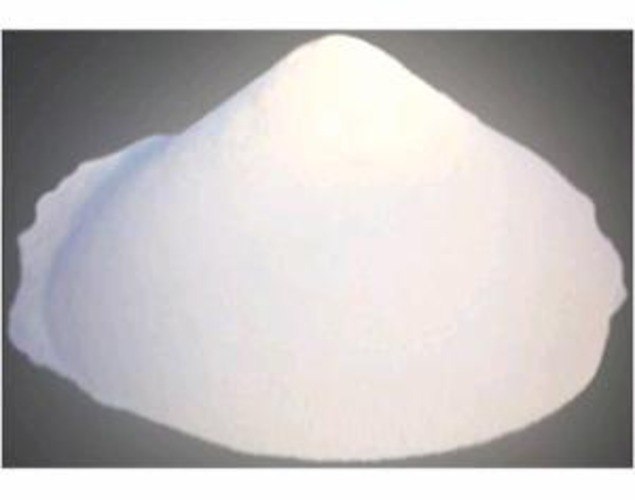
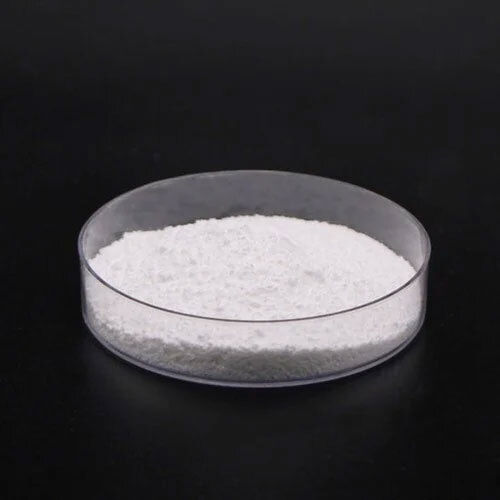
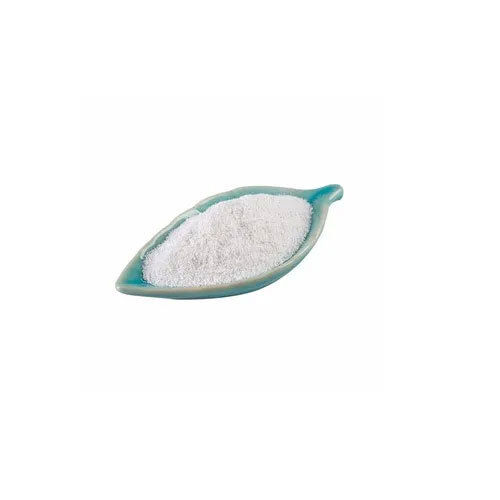
- Powder
- 6.0% to 12.0%
- C15H31COOC30H61.
- No Smell
- 61-65 C(lit.)
- Beeswax
- Room Temperature
- Beeswax is insoluble in water but soluble in organic solvents.
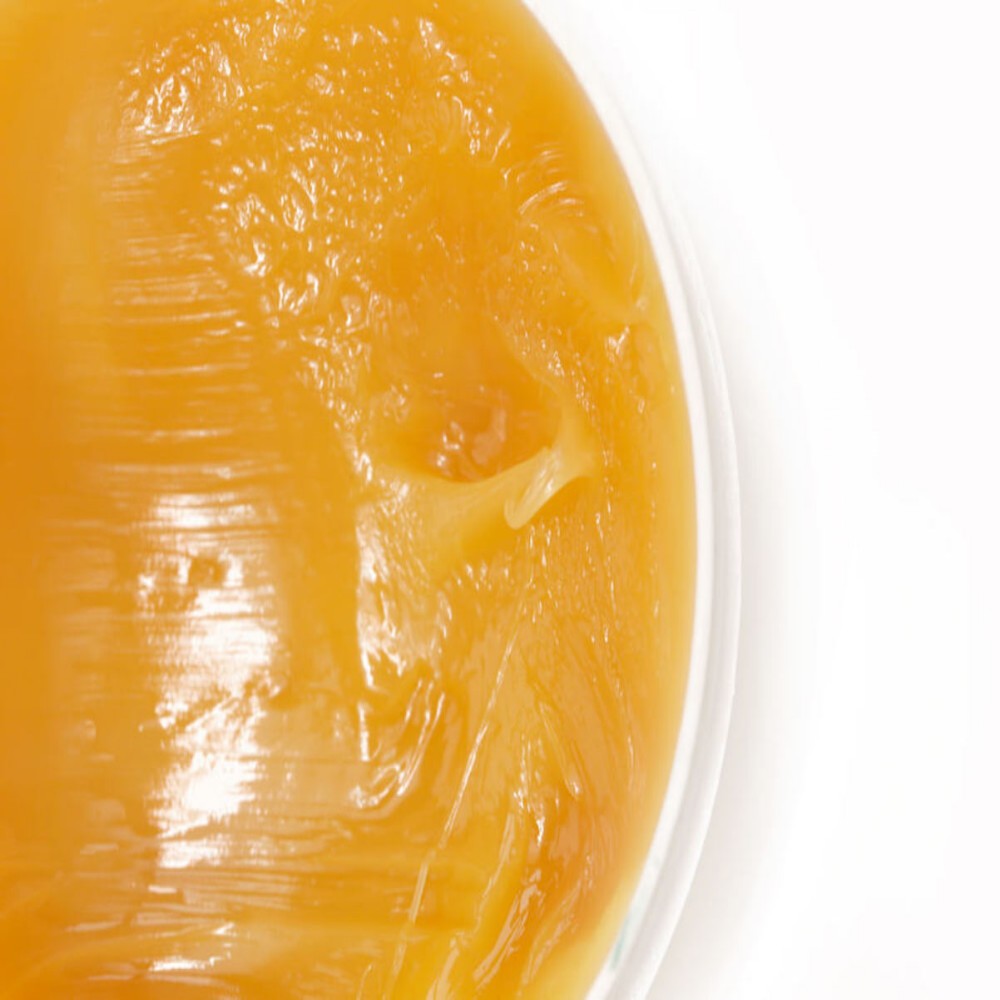
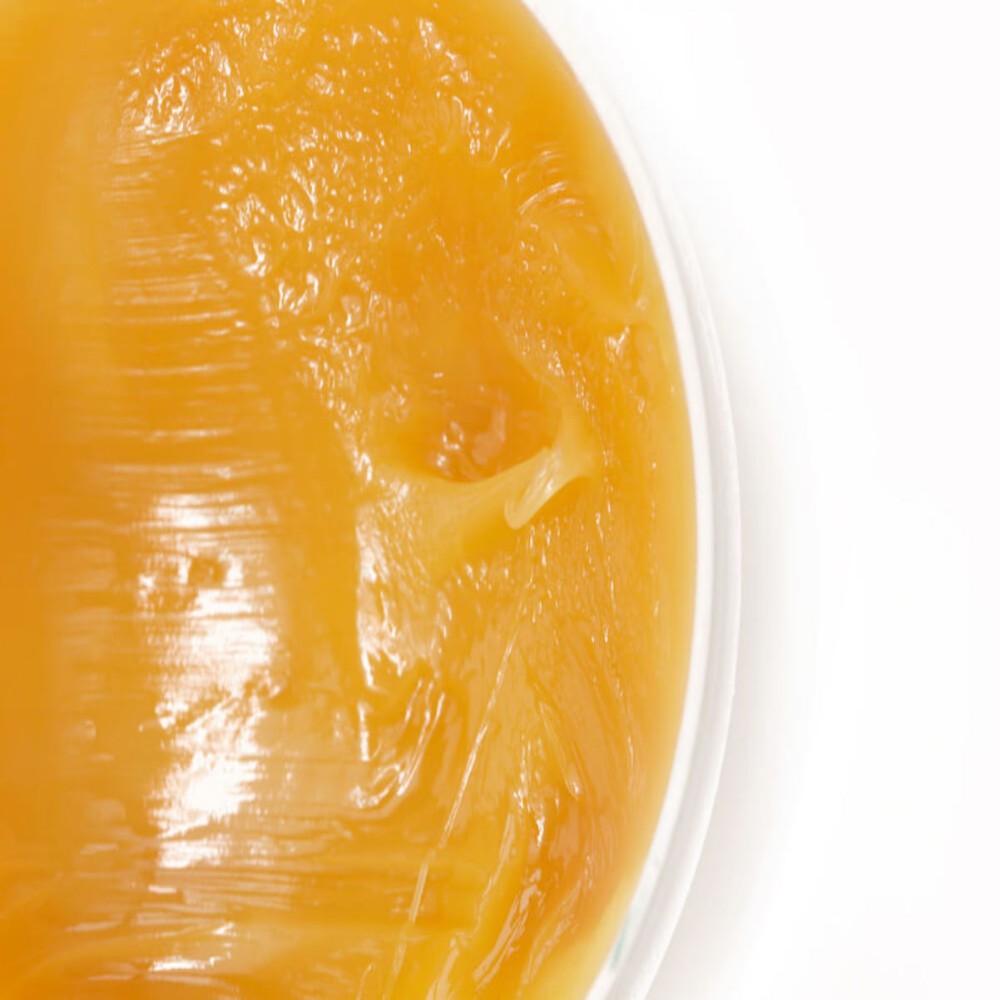
- Beeswax is a natural wax primarily consisting of esters of fatty acids and fatty alcohols, along with hydrocarbons and free fatty acids. It's a yellow to brown solid with a characteristic honey odor
- Its chemical purity can vary depending on the source and processing.
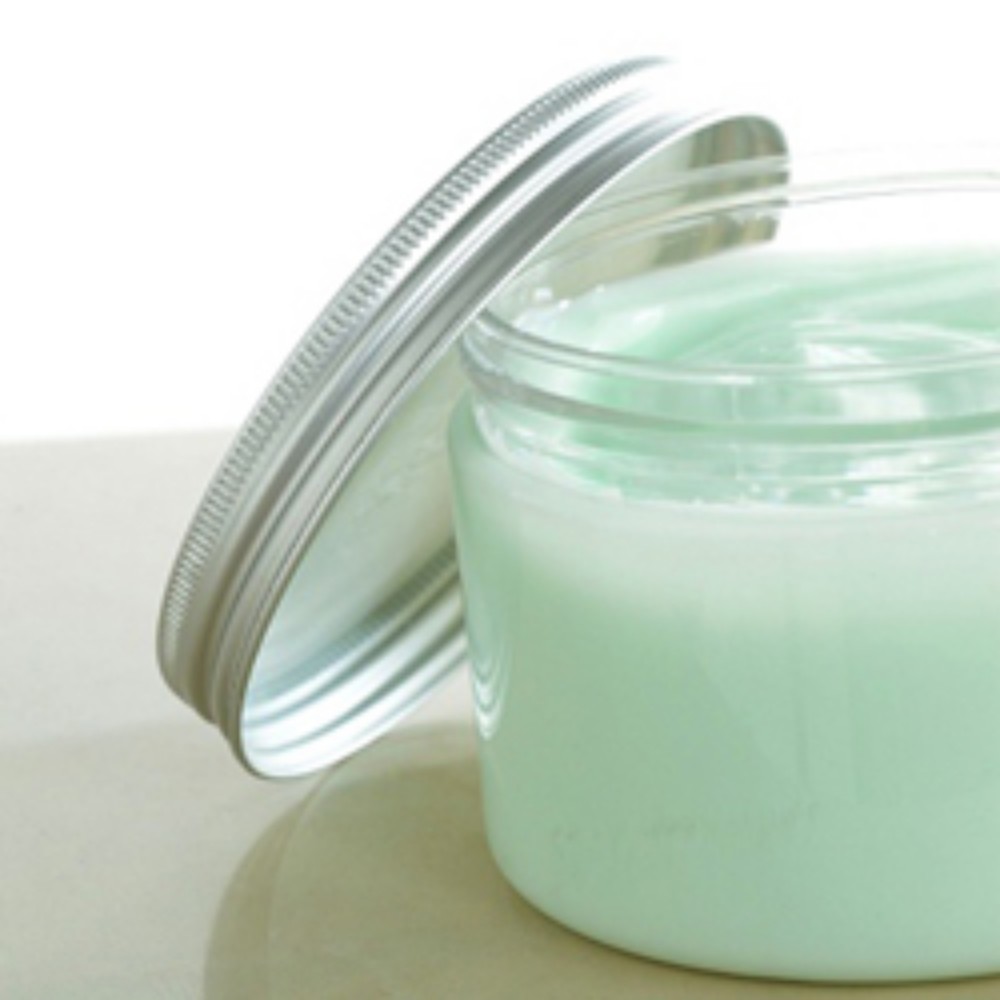
- Beeswax is used chemically in various industries including food, cosmetics, pharmaceuticals, and candle production. It acts as a thickener, emulsifier, binder, release agent, and fragrance in different applications.
Beeswax Trade Information
- Mumbai
- Cash Against Delivery (CAD), Delivery Point (DP), Letter of Credit at Sight (Sight L/C), Telegraphic Transfer (T/T), Letter of Credit (L/C)
- 2000 Kilograms Per Month
- 7 Days
- Yes
- Free samples are available
- DRUM & BAG PACKING
- WE PROVIDES ALL KIND OF CERTIFICATIONS AS YOU REQUIRED
Product Description
We are offering high quality of Beeswax. We are known for manufacturing, exporting, distributing, trading and supplying Beeswax in Gujarat, India. Further, this is safely packaged by our professionals in diverse packaging options that maintain its purity and effectiveness. Shreeji Pharma International is leading Manufacturer, Exporter, Distributor, and Supplier of Beeswax in Gujarat. India. Shreeji Pharma International manufacturing & gmp; supplying all products under GMP site with all types of regulatory supports. Shreeji Pharma International is the largest manufacturer, Exporter and supplier ofBeeswax Nowadays Shreeji Pharma International is one of the leading manufacturer and exporter, who is manufacturing Beeswax as well as Intermediates of Beeswax. Shreeji Pharma International is exporter, supplier, distributor and manufacturers of the Active Pharmaceuticals Ingredients in many countries for many years. Shreeji Pharma International currently export Beeswax to countries likeGulf Countries, South East Asia countries, African Countries, CIS Countries, LATAM countries, Central American Countries and in European countries. Beeswax powder is derived from beeswax, which is naturally produced by honeybees to build their honeycombs. This powder form of beeswax is created by grinding or milling beeswax into a fine powder, making it easier to handle, measure, and incorporate into various formulations or products. Here are the technical data and description details typically associated with beeswax powder: Product Name: Beeswax Powder Description: Appearance: Fine, pale yellow to light brown powder with a waxy texture. Source: Naturally produced by honeybees from the nectar of flowers. Solubility: Insoluble in water. Soluble in organic solvents like alcohol, acetone, and ether. Odor: Mild, characteristic, pleasant honey-like scent. Melting Point: 62C to 65C (144F to 149F). Beeswax itself is known for its low melting point, which allows it to be used in various cosmetic and industrial applications. Density: Around 0.95 to 1.0 g/cm. Color: Typically light yellow to yellow-brown, depending on the specific source and processing method. Chemical Composition: Main Components: Esters of fatty acids and long-chain alcohols. Hydrocarbons (including triterpenes). Fatty acids (palmitic, oleic, and others). Free alcohols (such as myricyl alcohol). Minor trace compounds, including propolis, pollen, and bee enzymes. Key Properties: Non-toxic: Beeswax powder is non-toxic, making it suitable for use in food, cosmetics, and medicinal products. Emollient and moisturizing: Has properties that help in moisturizing and forming a protective barrier on the skin. Antioxidant properties: Contains compounds that help prevent oxidative degradation, increasing the shelf life of formulations. Low odor and hypoallergenic: Ideal for sensitive skin formulations. Hydrophobic: Due to its waxy nature, it resists water, which makes it useful in various waterproofing applications. Applications: Cosmetic and Skincare Products: Used in lotions, creams, lip balms, and deodorants for its emollient, thickening, and barrier-forming properties. Pharmaceuticals: Used as a component in some ointments, tablets, and capsules for its smooth texture and ability to retain moisture. Candles: While typically in its bulk form, powdered beeswax can be used in creating candles with smoother textures or specific formulations. Food Industry: Occasionally used in food coatings, such as in candies and as a glazing agent. Industrial Uses: Used as a lubricant or in applications requiring water resistance. Safety Information: Handling: While generally considered safe, avoid inhaling the powder in large quantities to prevent respiratory irritation. Skin Contact: Usually safe for skin use, but a patch test is recommended for those with sensitive skin. Eye Contact: If powder gets into the eyes, rinse thoroughly with water. Environmental Impact: As a natural product, beeswax is biodegradable and considered environmentally friendly when sustainably sourced. Sourcing and Sustainability: Sustainability: Many suppliers of beeswax powder ensure that their beeswax is ethically sourced and sustainably harvested from beekeepers who prioritize bee health and welfare. Certifications: Organic certifications may be available depending on the production methods and the practices of the supplier. Typical Particle Size: Beeswax powder can have varying particle sizes depending on the processing, but it is typically ground to a fine consistency that is easily incorporated into cosmetic or industrial formulations.FAQs of Beeswax:
Q: What are the physical and chemical properties of Beeswax?
A: Beeswax is a natural wax primarily consisting of esters of fatty acids and fatty alcohols, along with hydrocarbons and free fatty acids. It appears as a yellow to brown solid with a characteristic honey odor. It is odorless in taste, has no smell, a melting point of 61-65C, and is insoluble in water but soluble in organic solvents.Q: What is the molecular formula of Beeswax?
A: The molecular formula of Beeswax is C15H31COOC30H61.Q: What are the usage applications of Beeswax?
A: Beeswax is used chemically in various industries, including food, cosmetics, pharmaceuticals, and candle production. It acts as a thickener, emulsifier, binder, release agent, and fragrance in different applications.Q: What is the shelf life and recommended storage condition for Beeswax?
A: Beeswax has a shelf life of 3 years and should be stored at room temperature.Q: What is the CAS number and HS code for Beeswax?
A: The CAS number for Beeswax is 8012-89-3, and its HS code is 15219010.Tell us about your requirement

Price:
Quantity
Select Unit
- 50
- 100
- 200
- 250
- 500
- 1000+
Additional detail
Mobile number
Email

Other Products in 'Active Pharmaceuticals Ingredients (API)' category

Contact Us

- 311, Atlantis Heights, Sarabhai Main Road, Vadiwadi,Vadodara - 390007, Gujarat, India
- Phone :08045479576

-
 Send Inquiry
Mr. Nilesh Bansilal Sheth (Partner)
Mobile :08037400111
 : nilesh.sheth70
MR. Tushar V. Kavade (Partner) : tushar.kavade
 Send Inquiry
|


SHREEJI PHARMA INTERNATIONAL
All Rights Reserved.(Terms of Use)
Developed and Managed by Infocom Network Private Limited.
Developed and Managed by Infocom Network Private Limited.

