 08045479576
 08045479576

 Send Inquiry
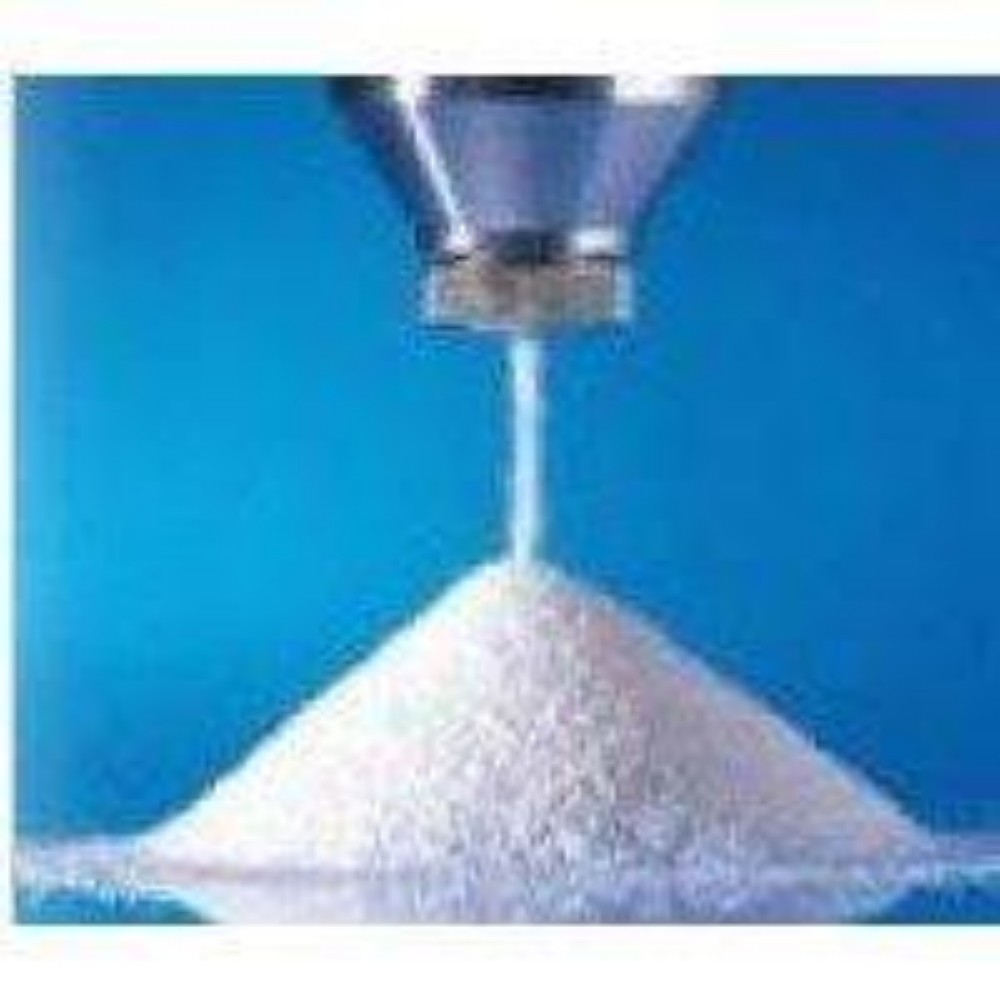
Bentonite .
Price 42.0 INR/ Kilograms
MOQ : 25 Kilograms
Bentonite . Specification
- EINECS No
- 215-108-5
- Molecular Weight
- 360.31 Grams (g)
- Smell
- No Smell
- Solubility
- Practically insoluble in water and in aqueous solutions. It swells with a little water forming a malleable mass.
- Storage
- Dry Place
- Taste
- Odorless
- Boiling point
- 381.8 C at 760 mmHg
- Molecular Formula
- Al2O3.4(SiO2).H2O
- Medicine Name
- Bentonite
- CAS No
- 1302-78-9
- Type
- Pharmaceutical Intermediates
- Grade
- Medicine Grade
- Usage
- Used for iron concentrate pellets, drilling mud, casting sand Binder, animal and vegetable oil decolorization, purification agent, plastic filler, desiccant, adsorbent, etc
- Appearance
- Solid
- Physical Form
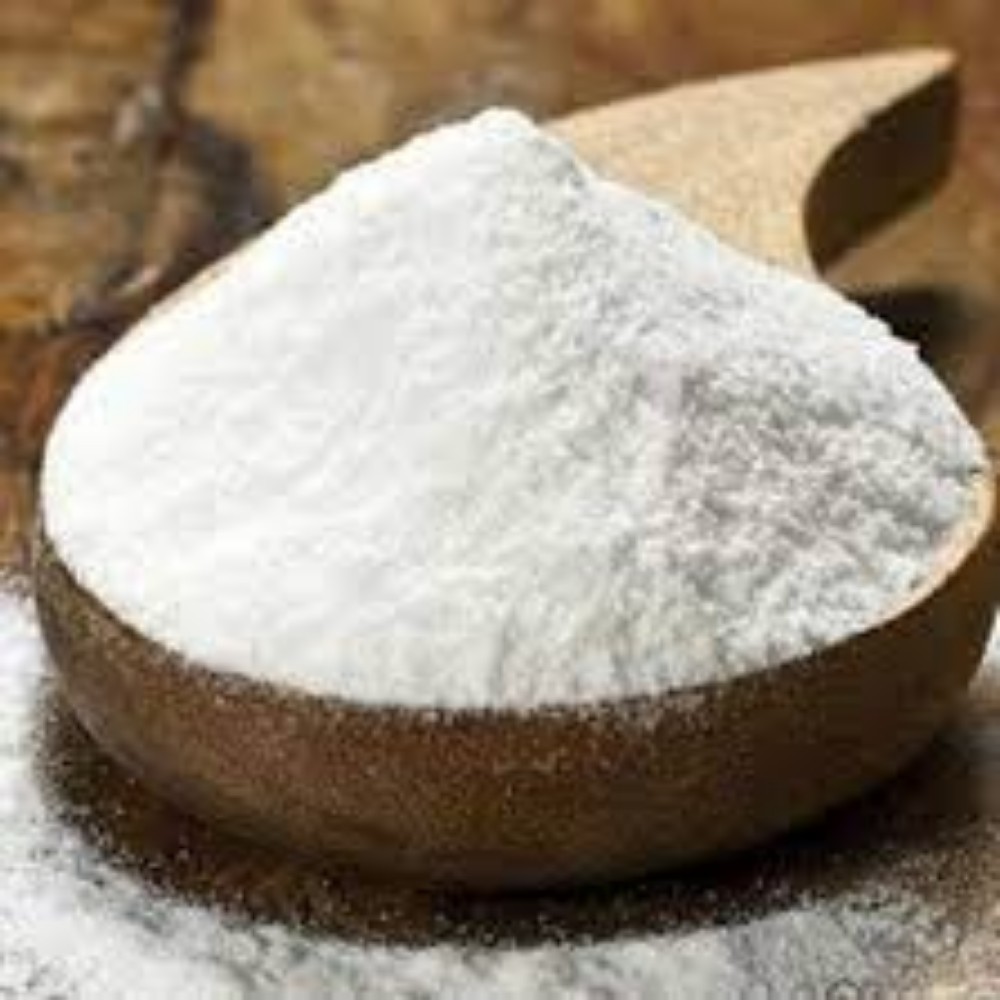
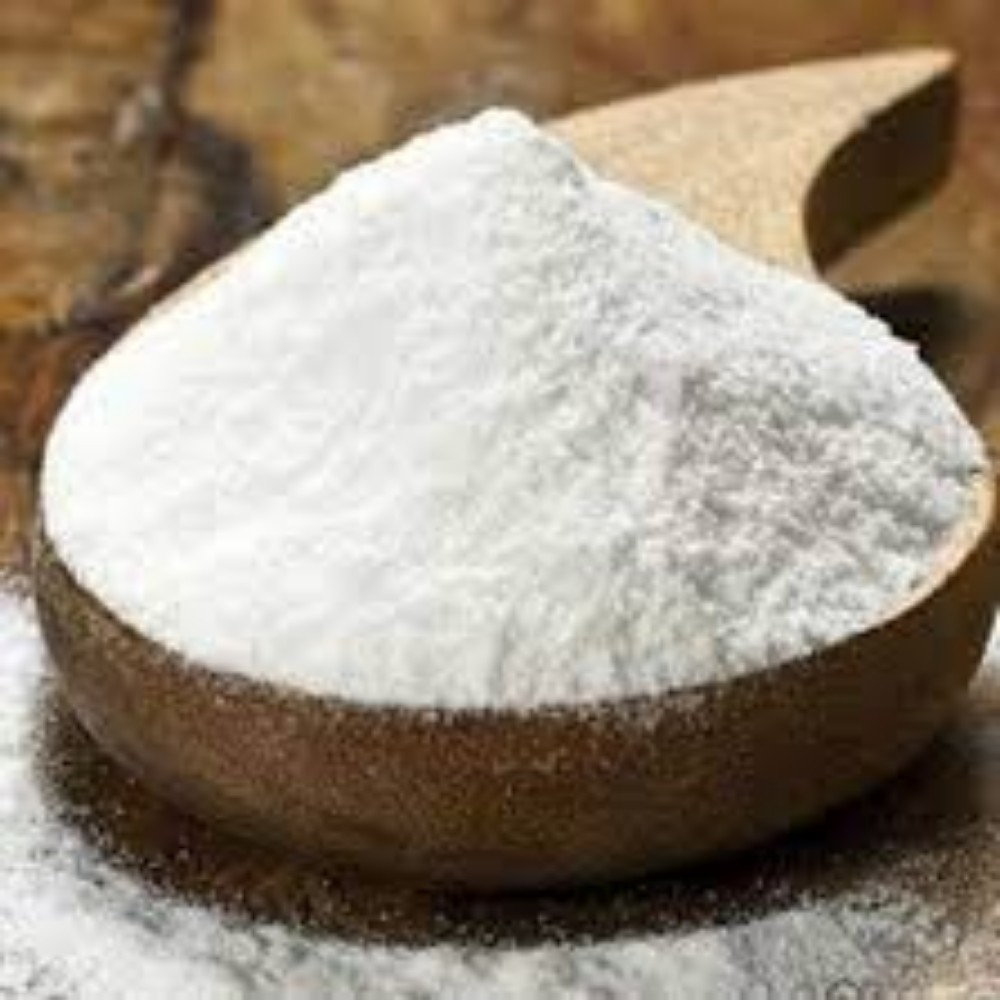
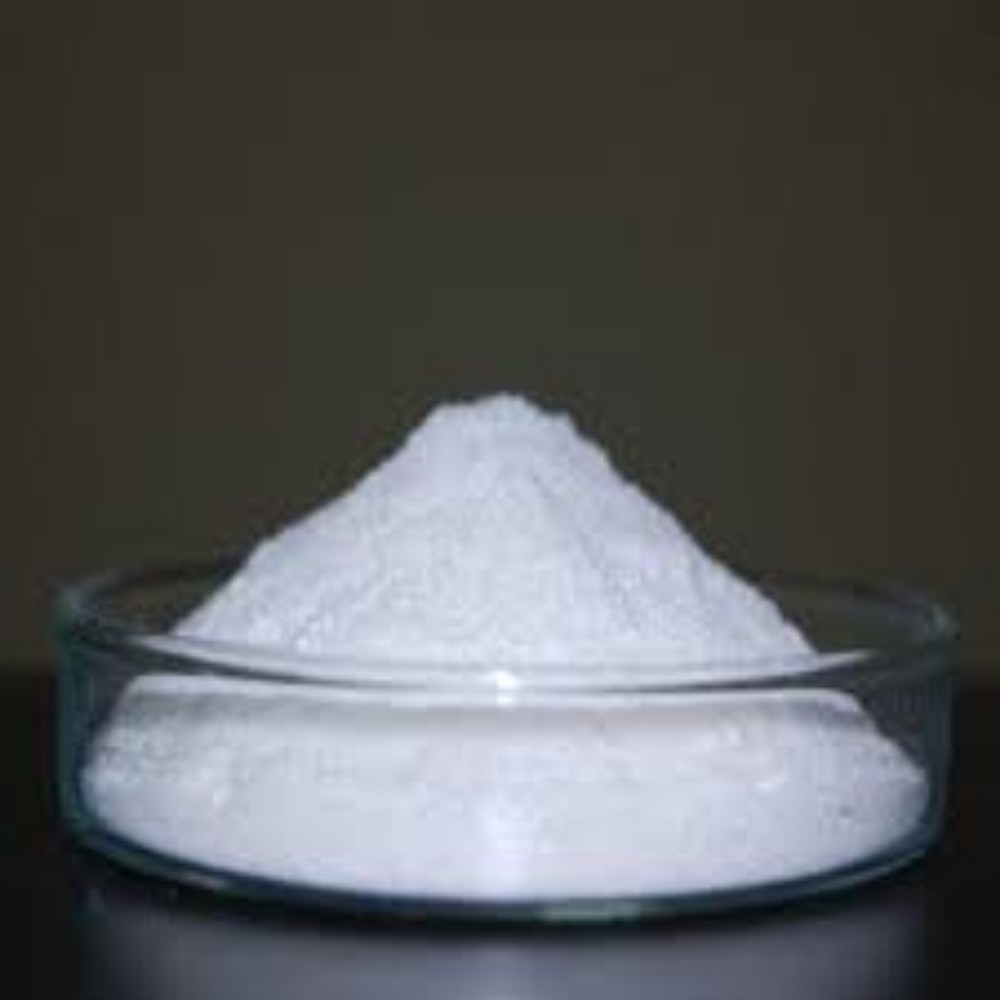
- Powder
Bentonite . Trade Information
- Minimum Order Quantity
- 25 Kilograms
- FOB Port
- MUMBAI
- Payment Terms
- Cash Against Delivery (CAD), Cash Advance (CA), Cash in Advance (CID), Letter of Credit at Sight (Sight L/C), Telegraphic Transfer (T/T), Letter of Credit (L/C)
- Supply Ability
- 1000 Kilograms Per Day
- Delivery Time
- 7 Days
- Sample Available
- No
- Sample Policy
- Free samples are available
- Packaging Details
- DRUM & BAG PACKING
- Main Export Market(s)
- Asia, Australia, Central America, North America, South America, Eastern Europe, Western Europe, Middle East, Africa
- Certifications
- WE PROVIDES ALL KIND OF CERTIFICATIONS AS YOU REQUIRED
Bentonite . About
Natural clay bentonite has a fine soft texture The clay becomes a paste when combined with water Some people use this paste as a hair mask or to treat rashes and acne Some people also add bentonite clay to foods or drinks in order to treat digestive issues or remove toxins Bentonite clay is found in many skin care products According to the theory bentonite clay adsorbs material by sticking to its molecules or ions Whenever clay leaves the body the toxin or other molecules accompany it Minerals like calcium magnesium and iron are found in bentonite clay which may provide additional benefits
Technical Specifications
CAS ID 1302789
Synonyms Sodium bentonite Bentonite
Molecular Formula Al2H2Na2O13Si4
Molecular Weight 42229
Melting Point 1200C
Boiling point 3818 C
Appearance White to gray powder
pH level 9
How does it work
You can use bentonite clay as a sponge for your skin Bentonite clay absorbs dirt and oil like sebum which can result in acne Antibacterial and antiinflammatory properties may aid in skin healing It has a high cationexchange capacity which means negativecharged clay can attract positively charged ions Magnesium sodium and potassium are just a few examples Silica and aluminum are also present in bentonite The bentonite may also attract toxins that are positively charged
Applications Or where it is used
The adsorbent properties of bentonite clay may be helpful in treating acne breakouts and oily skin Sebum or oil can be removed from the surface of the skin with clay which may also soothe inflamed breakouts It can be used to treat acne and reduce the chances of pimples and skin infections by removing impurities from the skin
Manufacturing process
In the production process bentonite ore is mined sodium activated if necessary dried and milled By exchanging calcium ions for sodium carbonate calcium bentonite is converted into sodium bentonite by sodium activation Natural moisture content of bentonite is reduced to about 2535 by drying Because bentonite is hygroscopic it must be treated at a controlled temperature otherwise the molecule structure could be damaged At temperatures over 500C crystallisation water is irreversibly removed from bentonite causing it to lose all of its properties and turn into grog aggregate
How to use
Drink one teaspoon tsp of bentonite clay mixed with 6 to 8 ounces oz of purified water every day Taking bentonite clay two hours before or after taking any medication is recommended Clays such as bentonite can adsorb other molecules thereby reducing the effectiveness of some medications
Dosage of usage
Children By Mouth
Rotavirusinduced diarrhea Clay is given to infants and children daily for a period of up to 6 days A typical dose is 15 grams for infants up to 12 months old and 3 grams for infants 12 months and older The dose is given four times daily
Side effects
Shortterm consumption of clay may be safe It has been used safely for up to 3 months at a dose of 3 grams or for 6 weeks at a dose of 4 grams There is a possibility of constipation vomiting or diarrhea as side effects Longterm consumption of clay can decrease potassium and iron levels Other complications include lead poisoning muscle weakness intestinal blockage skin sores and breathing difficulties Applying clay to skin inside the mouth may be safe Dioctahedral smectite clay 12 grams per day has been used successfully as a cream in the mouth for five days
Warnings and precautions while using this product
Pregnancy Longterm use of clay by mouth may be dangerous for pregnant women It can cause high blood pressure or swelling Shortterm use of clay when pregnant is not recommended because there is not enough reliable information available
Children Shortterm oral consumption of clay might be safe When taken in doses of up to 15 grams per day for two weeks it may be safe for children ages 39 An alternative type of clay appears to be safe when consumed in doses of 6 grams daily by infants up to 12 months and 12 grams daily by children 12 months and older for a period of up to 6 days
Anemia This condition might be aggravated by clay which interferes with iron absorption
Tell us about your requirement

Price:
Quantity
Select Unit
- 50
- 100
- 200
- 250
- 500
- 1000+
Additional detail
Mobile number
Email

More Products in Active Pharmaceuticals Ingredients (API) Category
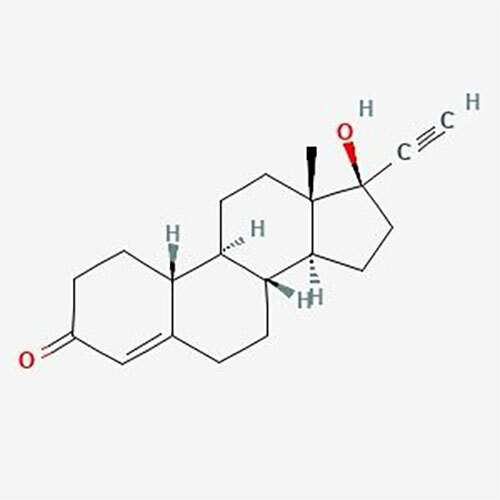
Diflucortolone Valerate
Price 35000000.0 INR / Kilograms
Minimum Order Quantity : 1 Gram
Physical Form : Powder
Storage : Room Temperature
Medicine Name : Nerisone, Nerisona, and Temetex
Docusate Sodium
Price 1100.0 INR / Kilograms
Minimum Order Quantity : 25 Kilograms
Physical Form : Solid
Storage : Room Temperature
Medicine Name : Docusate Sodium

Simethicone .
Price 525.0 INR / Liter
Minimum Order Quantity : 25 Liters
Physical Form : Liquid
Storage : Room Temperature
Medicine Name : Infacol
Nateglinide
Price Range 25.00 - 50.00 INR
Minimum Order Quantity : 25 Kilograms
Physical Form : Powder
Storage : Room Temperature
Medicine Name : Nateglinide

Contact Us

- 311, Atlantis Heights, Sarabhai Main Road, Vadiwadi,Vadodara - 390007, Gujarat, India
- Phone :08045479576

-
 Send Inquiry
Mr. Nilesh Bansilal Sheth (Partner)
Mobile :08037400111
 : nilesh.sheth70
MR. Tushar V. Kavade (Partner) : tushar.kavade
 Send Inquiry
|


SHREEJI PHARMA INTERNATIONAL
All Rights Reserved.(Terms of Use)
Developed and Managed by Infocom Network Private Limited.
Developed and Managed by Infocom Network Private Limited.

