 08045479576
 08045479576

 Send Inquiry
Brimonidine Tartrate
Price 160000.0 INR/ Kilograms
MOQ : 25 Kilograms
Brimonidine Tartrate Specification
- Smell
- No Smell
- Molecular Formula
- C15H16BrN5O6
- Ph Level
- The pH level of Brimonidine Tartrate formulations can vary depending on the specific product and its intended use. Here are some general ranges: For Eye Drop Formulations: The pH is typically adjusted to be close to 7.0 (neutral), often ranging from 4.5 to 6.5, to be compatible with the eye and prevent irritation. For Topical Gel: The pH might be slightly more acidic or closer to neutral, generally within the range of 4.5 to 6.0, to ensure both stability and skin compatibility. The pH is important for ensuring that the compound remains stable and non-irritating when used in pharmaceutical applications.
- Loss on Drying
- The Loss on Drying (LOD) for Brimonidine Tartrate typically refers to the amount of moisture that evaporates when the compound is dried under controlled conditions, typically at 105 C for 2 hours. For Brimonidine Tartrate, the Loss on Drying is typically in the range of: 1.0% This ensures that the compound is not overly hydrated, which could affect its stability, solubility, and shelf life.
- Molecular Weight
- 442.24 Grams (g)
- EINECS No
- 615-013-4
- Particle Size
- The particle size of Brimonidine Tartrate can vary depending on the formulation and manufacturer.
- Heavy Metal (%)
- For Brimonidine Tartrate, as with most pharmaceutical compounds, the presence of heavy metals is typically monitored to ensure safety and compliance with pharmacological standards. The heavy metal content is generally tested and controlled according to pharmacopoeial standards (such as the USP or EP). The limit for heavy metals in pharmaceutical-grade Brimonidine Tartrate is typically set to 10 ppm (parts per million) or 10 g/g in the final product, depending on the specific regulations in place. This is done to ensure that any potential contaminants from metals like lead (Pb), arsenic (As), cadmium (Cd), or mercury (Hg) are kept well below toxic levels.
- HS Code
- 29333990
- Melting Point
- ~205 C to 210 C (with decomposition)
- Boiling point
- The boiling point of Brimonidine Tartrate is not widely reported in standard references, as it tends to decompose before reaching its boiling point due to its complex chemical structure. Since it is used primarily in topical formulations and eye drops, it is typically not heated to the point where boiling would occur.
- Taste
- Bitter
- Solubility
- Brimonidine Tartrate is soluble in water and methanol, but its solubility in other solvents like ethanol and chloroform is limited. Here's a more detailed breakdown: Solubility in water: Freely soluble. Solubility in methanol: Freely soluble. Solubility in ethanol: Slightly soluble. Solubility in chloroform: Practically insoluble. Solubility in organic solvents: Low solubility in non-polar solvents. The solubility in water is especially important for its use in ophthalmic solutions and topical treatments, ensuring proper absorption and effectiveness.
- Structural Formula
- Brimonidine Base: 5-Bromo-N-(4,5-dihydro-1H-imidazol-2-yl)quinoxalin-6-amine Tartrate Salt: (2R,3R)-2,3-dihydroxybutanedioic acid
- Shelf Life
- 5 Years
- Storage
- Room Temperature
- Medicine Name
- Brimonidine Tartrate
- Chemical Name
- 5-bromo-N-(4,5-dihydro-1H-imidazol-2-yl)quinoxalin-6-amine tartrate (1:1)
- CAS No
- 70359-46-5
- Type
- Pharmaceutical Intermediates
- Grade
- Medicine Grade
- Usage
- Brimonidine Tartrate is primarily used in ophthalmology and dermatology for the following purposes: 1. Glaucoma and Ocular Hypertension Mechanism: It is an alpha-2 adrenergic receptor agonist. Action: Reduces intraocular pressure (IOP) by decreasing aqueous humor production and increasing uveoscleral outflow. Brand names: Commonly found in products like Alphagan . 2. Facial Redness in Rosacea Mechanism: Causes vasoconstriction of dilated facial blood vessels. Form: Typically used as a topical gel or cream. Brand names: Examples include Mirvaso .
- Purity(%)
- 98%
- Appearance
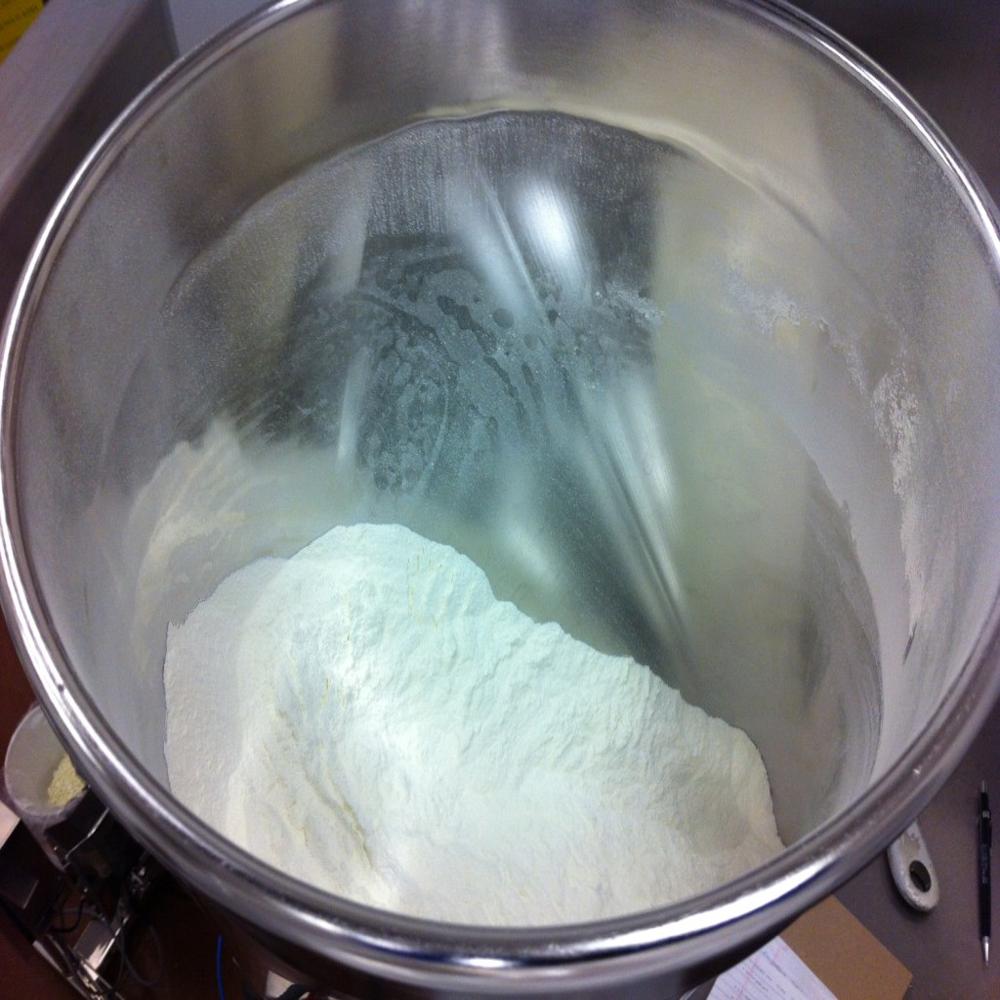
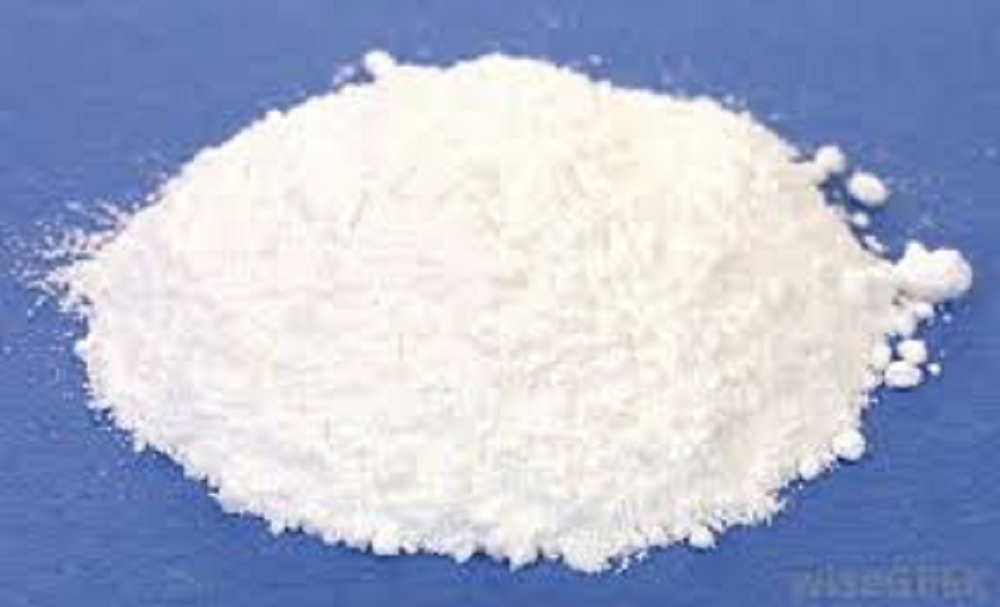
- White to off-white crystalline powder It is usually odorless and freely soluble in water and methanol, but less soluble in non-polar solvents.
- Physical Form
- Powder
Brimonidine Tartrate Trade Information
- Minimum Order Quantity
- 25 Kilograms
- FOB Port
- Mumbai
- Payment Terms
- Letter of Credit at Sight (Sight L/C), Letter of Credit (L/C), Cash Advance (CA), Cash in Advance (CID)
- Supply Ability
- 1000 Kilograms Per Day
- Delivery Time
- 7 Days
- Sample Available
- Yes
- Sample Policy
- Free samples are available
- Packaging Details
- Drum/bag pack
- Main Export Market(s)
- Asia, Australia, Central America, North America, South America, Eastern Europe, Western Europe, Middle East, Africa
- Certifications
- WE PROVIDES ALL KIND OF CERTIFICATIONS AS YOU REQUIRED
Brimonidine Tartrate About
Brimonidine is an alpha-2 adrenergic agonist used for treating glaucoma and hypertension, along with facial erythema in rosacea.
Technical Specifications:
- CAS Number: 79570-19-7
- Assay: 99.0%min
- Molecular Formula: C11H10BrN5.C4H6O6
- Molecular Weight: 442.22
- Appearance: White to slightly yellowish powder
- Solubility: Soluble in water, slightly soluble in methanol
- Identification: HNMR,HPLC
- PH: 3.0~4.5
- Melting point: 205ÂC~210ÂC
How does it work?
Following ocular administration, brimonidine tartrate constricts the blood vessels, decreasing aqueous humor production. The outflow of aqueous humor is also enhanced by Brimonidine tartrate. Glaucoma patients take this drug to reduce intraocular pressure.
Applications Or where it is used:
Open-angle glaucoma or high fluid pressure in the eye is treated with this medication. When the fluid pressure in the eye is lowered, the risk of vision loss, nerve damage, or blindness is greatly reduced.
How to use:
Three times a day, approximately eight hours apart, one drop of brimonidine tartrate is recommended in the affected eye. In order to lower intraocular pressure, this medication is sometimes taken in combination with other topical ophthalmic drugs. It is recommended that if more than one topical ophthalmic product is to be used, the product should be instilled at least 5 minutes apart.
Side effects:
- Eye discomfort/itching/redness/burning/stinging
- Nausea
- Upset stomach
- Feeling like something is in your eye
- Blurred vision
- Redness of the eye or eyelid
- Swollen or puffy eyes
- Sensitivity to light
Warnings and precautions while using this medication:
The side effects of this medication are more apparent in children, especially drowsiness.
Tell us about your requirement

Price:
Quantity
Select Unit
- 50
- 100
- 200
- 250
- 500
- 1000+
Additional detail
Mobile number
Email

More Products in Active Pharmaceuticals Ingredients (API) Category
Pantoprazole Sodium Powder
Price 2300.0 INR / Kilograms
Minimum Order Quantity : 25 Kilograms
Molecular Formula : C H F N NaO S 1.5H O
Molecular Weight : 432.4 Kilograms (kg)
Purity(%) : 98.0% to 102.0%
Fluorometholone Powder
Price 55000.0 INR / Kilograms
Minimum Order Quantity : 25 Kilograms
Molecular Formula : C22H29FO4
Molecular Weight : 376.46 GSM (gm/2)
Purity(%) : 99%
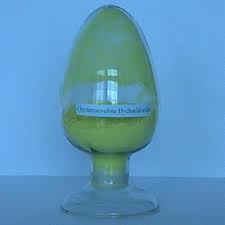
Iodine .
Price 3000.0 INR / Kilograms
Minimum Order Quantity : 25 Kilograms
Molecular Formula : I
Molecular Weight : 253.8 Grams (g)
Purity(%) : 98%

Mercuric Amidochloride
Price Range 25.00 - 50.00 INR / Kilograms
Minimum Order Quantity : 25 Kilograms
Molecular Formula : ClH2HgN
Molecular Weight : 252.065 g/mol Grams (g)
Purity(%) : 98%

Contact Us

- 311, Atlantis Heights, Sarabhai Main Road, Vadiwadi,Vadodara - 390007, Gujarat, India
- Phone :08045479576

-
 Send Inquiry
Mr. Nilesh Bansilal Sheth (Partner)
Mobile :08037400111
 : nilesh.sheth70
MR. Tushar V. Kavade (Partner) : tushar.kavade
 Send Inquiry
|


SHREEJI PHARMA INTERNATIONAL
All Rights Reserved.(Terms of Use)
Developed and Managed by Infocom Network Private Limited.
Developed and Managed by Infocom Network Private Limited.

