 08045479576
 08045479576

 Send Inquiry
Paraffin Oil
Price 30 INR/ Kilograms
MOQ : 25 Kilograms
Paraffin Oil Specification
- Boiling point
- 300 °C
- Storage
- Other
- Shelf Life
- 2 Years
- Solubility
- Practically insoluble in water, slightly soluble in ethanol (96 percent)miscible with hydrocarbons
- Molecular Weight
- 338.69664 Kilograms (kg)
- Taste
- Odorless
- HS Code
- 27101990
- Smell
- Other
- Melting Point
- -24 °C
- Molecular Formula
- C15H11ClO7
- Medicine Name
- Paraffin Oil
- Chemical Name
- Paraffin Oil
- CAS No
- 8012-95-1
- Type
- Pharmaceutical Intermediates
- Grade
- Medicine Grade
- Usage
- Cosmetically, paraffin wax is often applied to the hands and feet. The wax is a natural emollient, helping make skin supple and soft. When applied to the skin, it adds moisture and continues to boost the moisture levels of the skin after the treatment is complete. It can also help open pores and remove dead skin cell
- Appearance
- Colourless, transparent,oily liquid free from fluorescence by daylight.
- Physical Form
- Liquid
Paraffin Oil Trade Information
- Minimum Order Quantity
- 25 Kilograms
- FOB Port
- mumbai india
- Payment Terms
- Letter of Credit (L/C), Letter of Credit at Sight (Sight L/C), Telegraphic Transfer (T/T), Cash in Advance (CID)
- Supply Ability
- 25 Kilograms Per Day
- Delivery Time
- 1 Week
- Sample Policy
- Free samples are available
- Packaging Details
- DRUM
- Main Export Market(s)
- Western Europe, Australia, North America, South America, Eastern Europe, Middle East, Africa, Central America, Asia
- Certifications
- ISO GMP
Paraffin Oil About
A mineral oil, liquid paraffin oil is a by-product of the crude oil distillation process. Oil, which is colorless, odorless, and tasteless, is primarily composed of alkane derivatives that boil quickly. In modern times, paraffin oil and paraffin wax are used for a variety of purposes, including industrial, medicinal, and cosmetic.
Technical Specifications:
- Cas No: 8012-95-1
- Chemical Formula: Indeterminate
- Molecular Formula: C15H11ClO7
- Molecular Weight: 338.69664
- Boiling Point: 300 C
- Melting Point: -24 C
How does it work?
In cosmetics, paraffin wax is usually applied to the hands and feet. Wax acts as a natural emollient, moisturizing and softening the skin. Applying it to the skin adds moisture and boosts the moisture levels of the skin after the treatment is over. This can also remove dead skin cells and open pores.
Applications. Or where it is used:
The alkane hydrocarbon paraffin finds applications in several industries, including medicine, agriculture, and cosmetics. In addition to its use as fuel in jet engines and rockets, paraffin is widely used in diesel engines and tractor engines as well
Manufacturing process:
Paraffin oil or liquid paraffin oil is obtained by distilling crude oil. The mineral oil is a by-product of crude oil distillation.
How to use:
Medicinal properties are also found in liquid paraffin. Dry skin, constipation, and eczema are typical conditions treated with it. Aside from serving as an adhesive and a waterproofing agent, paraffin wax is also used as a soil treatment that collects runoff water for use in dry areas.
Dosage of usage:
- Adults: 10-30ml
- Children over the age of 3 years old: 5-20ml
- Children younger than 3 are not recommended to use this product.
Side effects:
Its major and minor side effects are listed below:
- Diarrhea
- Nausea and vomiting
- Stomach pain
- Itching and skin rash
Warnings and precautions while using this product:
- Pregnancy or Breast-feeding
- Pregnant or breastfeeding women must not use this medicine. It is a good idea to discuss all the risks and benefits of taking this medicine with your doctor before using it.
- General warnings
Prolonged use
- A longer duration of use is not recommended due to the risk of dependence.
- Lipoid pneumonia
- It is possible to develop lipoid pneumonia if this medicine is accidentally inhaled. In patients suffering from swallowing difficulties, this medicine should be used with extreme caution.
Contact your doctor if:
- it is essential for you to take laxatives every day
- you have persistent stomach pain
- you have difficulty swallowing
Emollient Benefits for Cosmetic Use
Paraffin Oil is frequently applied in cosmetic treatments, especially to the hands and feet. As a natural emollient, it hydrates the skin during treatments and continues to boost moisture levels afterward. Its application helps open pores, soften skin, and facilitate the removal of dead skin cells, resulting in a smoother, more rejuvenated appearance.
Pharmaceutical Intermediates and Quality
This Pharmaceutical Grade paraffin oil is manufactured and distributed to meet strict medicinal standards. Its colourless and transparent appearance ensures purity, and it is free from fluorescence under daylight. With CAS No: 8012-95-1 and HS Code: 27101990, it is trusted by manufacturers, exporters, and suppliers across India.
FAQs of Paraffin Oil:
Q: How is paraffin oil used in cosmetic treatments?
A: Paraffin oil is chiefly used in moisturizing spa treatments, where it is applied to hands and feet. The oil helps to hydrate skin, keep it supple, and facilitate the removal of dead skin cells by opening pores during treatment.Q: What are the physical properties of paraffin oil?
A: Paraffin oil is a clear, colorless, and odorless oily liquid with a melting point of -24 C and a boiling point of 300 C. It is practically insoluble in water, slightly soluble in ethanol (96%), and completely miscible with hydrocarbons.Q: When should paraffin oil be replaced in storage?
A: Paraffin oil generally has a shelf life of 2 years when stored under recommended conditions. It should be replaced before the end of this period to ensure optimal quality for pharmaceutical and cosmetic applications.Q: Where is paraffin oil manufactured and distributed from?
A: Paraffin oil is manufactured, exported, supplied, and traded widely in India, meeting medicine grade standards for pharmaceutical intermediates and cosmetic applications.Q: What processes are involved in the application of paraffin oil for skin care?
A: Typical application involves heating the oil, then applying it to the skin where it forms a barrier, trapping moisture. After treatment, the paraffin can be peeled off, taking dead skin cells with it, leaving the skin soft and hydrated.Q: What benefits does paraffin oil offer in medicine and cosmetics?
A: Paraffin oil acts as a natural emollient, helping to keep skin soft and supple. In cosmetic use, it increases skin moisture, assists in exfoliation, and is well-tolerated due to its odorless and non-irritating nature.
Tell us about your requirement

Price:
Quantity
Select Unit
- 50
- 100
- 200
- 250
- 500
- 1000+
Additional detail
Mobile number
Email

More Products in Active Pharmaceuticals Ingredients (API) Category

Sucroferric Oxyhydroxide
Price 4500 INR / Kilograms
Minimum Order Quantity : 25 Kilograms
Physical Form : Powder
Smell : Other
Grade : Medicine Grade
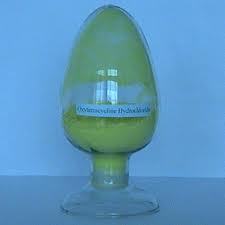
Phenylephrine Hydrochloride Powder
Price 9000.0 INR / Kilograms
Minimum Order Quantity : 25 Kilograms
Physical Form : Powder
Smell : No Smell
Grade : Medicine Grade
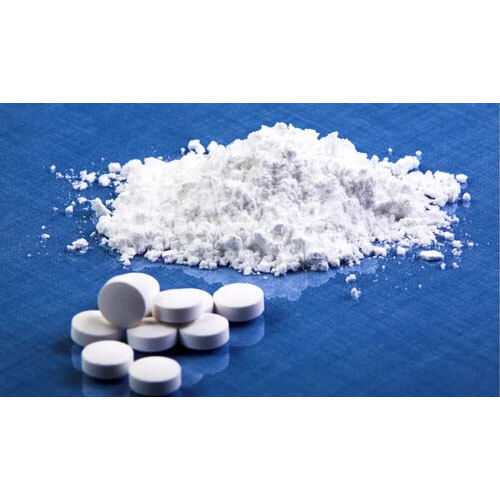
Magnesium Hydroxide Powder
Price 90.0 INR / Kilograms
Minimum Order Quantity : 25 Kilograms
Physical Form : Powder
Smell : No Smell
Grade : Medicine Grade

Metformin HCL
Price 250.0 INR / Kilograms
Minimum Order Quantity : 25 Kilograms
Physical Form : Solid
Smell : No Smell
Grade : Medicine Grade

Contact Us

- 311, Atlantis Heights, Sarabhai Main Road, Vadiwadi,Vadodara - 390007, Gujarat, India
- Phone :08045479576

-
 Send Inquiry
Mr. Nilesh Bansilal Sheth (Partner)
Mobile :08037400111
 : nilesh.sheth70
MR. Tushar V. Kavade (Partner) : tushar.kavade
 Send Inquiry
|


SHREEJI PHARMA INTERNATIONAL
All Rights Reserved.(Terms of Use)
Developed and Managed by Infocom Network Private Limited.
Developed and Managed by Infocom Network Private Limited.

