 08045479576
 08045479576

 Send Inquiry
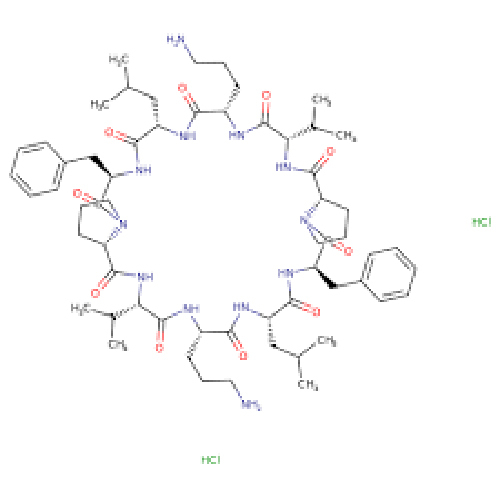
Gramicidin Chemical
Price 1650000 INR/ Kilograms
MOQ : 1 Kilograms
Gramicidin Chemical Specification
- Storage
- Room Temperature
- Molecular Formula
- C99H139N21O17
- Medicine Name
- Gramicidin Chemical
- CAS No
- 1405-97-6
- Grade
- Chemical
- Usage
- Industrial
- Purity(%)
- 98 %
- Physical Form
- Powder
Gramicidin Chemical Trade Information
- Minimum Order Quantity
- 1 Kilograms
- Supply Ability
- 1 Kilograms Per Day
- Delivery Time
- 7 Days
Gramicidin Chemical About
We are offering high quality of Gramicidin. We are known for manufacturing, exporting, distributing, trading and supplying Gramicidin in Gujarat, India. Further, this is safely packaged by our professionals in diverse packaging options that maintain its purity and effectiveness.
Shreeji Pharma International is leading Manufacturer, Exporter, Distributor, and Supplier of Gramicidin in Gujarat. India. Shreeji Pharma International manufacturing & supplying all products under GMP site with all types of regulatory supports.
Shreeji Pharma International is the largest manufacturer, Exporter and supplier of Gramicidin Nowadays Shreeji Pharma International is one of the leading manufacturer and exporter, who is manufacturing Gramicidin as well as Intermediates of Gramicidin.
Shreeji Pharma International is exporter, supplier, distributor and manufacturers of the Active Pharmaceuticals Ingredients in many countries for many years.
Shreeji Pharma International currently export Gramicidin to countries like Gulf Countries, South East Asia countries, African Countries, CIS Countries, LATAMcountries, Central American Countries and in European countries
- Chemical Name: Gramicidin D (a mixture of gramicidins A, B, and C)
- Common Name: Gramicidin
- CAS Number: 1405-97-6
- Molecular Formula: Approx. C99H139N21O17 (varies slightly depending on the component)
- Molecular Weight: Approx. 1882.3 g/mol
- Appearance: White to off-white, amorphous or crystalline powder
- Odor: Odorless or faint characteristic odor
- Solubility: Soluble in ethanol, methanol, chloroform, and other organic solvents; poorly soluble in water
- Storage Conditions: Store in a tightly sealed container, in a cool, dry place (typically 28C), away from light and moisture
Pharmacological Classification:
- Class: Polypeptide antibiotic
- Source: Isolated from Bacillus brevis
- Use: Topical antibiotic (primarily for skin and eye infections)
- Mechanism of Action:Gramicidin disrupts bacterial cell membrane integrity by forming channels or pores in the membrane. This increases membrane permeability to monovalent cations (e.g., Na, K), leading to ionic imbalance and bacterial cell death.
- Active mainly against Gram-positive bacteria
- Not effective against Gram-negative organisms due to their outer membrane
Applications:
- Topical use only (due to systemic toxicity)
- Used in combination with other antibiotics (e.g., neomycin, polymyxin B) in:
- Eye drops and ointments
- Skin creams and ointments
- Ear drops
- Sometimes used in lozenges for sore throat (limited use)
Properties:
- Thermally stable at room temperature
- Sensitive to strong acids and bases
- Biologically active at low concentrations
- Side Effects:Local irritation, redness, or itching (especially with prolonged use)
- Allergic reactions (rare)
- Toxic if used systemically not suitable for injection or oral use
- Not to be used on large wounds or broken skin to avoid absorption
Precautions & Warnings:
Only for external/topical use
- Avoid contact with mucous membranes unless specifically formulated (e.g., eye/ear drops)
- Do not use in deep or puncture wounds
- Monitor for allergic reaction, especially in sensitive individuals
- Not recommended during pregnancy or lactation unless prescribed
Tell us about your requirement

Price:
Quantity
Select Unit
- 50
- 100
- 200
- 250
- 500
- 1000+
Additional detail
Mobile number
Email

More Products in Active Pharmaceuticals Ingredients (API) Category
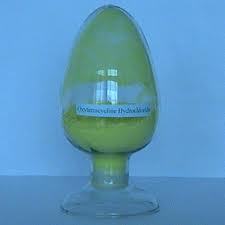
Silver Sulfadiazine
Price 27000 INR / Kilograms
Minimum Order Quantity : 25 Kilograms
Grade : Medicine Grade
Molecular Formula : C10H9AgN4O2S
Physical Form : Powder

Tricholine Citrate
Price Range 25.00 - 50.00 INR / Kilograms
Minimum Order Quantity : 50 Kilograms
Grade : Medicine Grade
Molecular Formula : C21H47N3O10
Physical Form : Solid
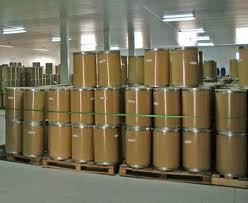
Loratadine Powder
Price Range 25.00 - 50.00 INR / Kilograms
Minimum Order Quantity : 25 Kilograms
Grade : Medicine Grade
Molecular Formula : C22H23ClN2O2
Physical Form : Liquid
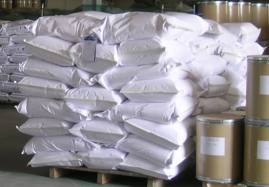
Hydrochlorothiazide
Price Range 25.00 - 50.00 INR
Minimum Order Quantity : 25 Kilograms
Grade : Medicine Grade
Molecular Formula : C9H14N5O4P
Physical Form : Powder

Contact Us

- 311, Atlantis Heights, Sarabhai Main Road, Vadiwadi,Vadodara - 390007, Gujarat, India
- Phone :08045479576

-
 Send Inquiry
Mr. Nilesh Bansilal Sheth (Partner)
Mobile :08037400111
 : nilesh.sheth70
MR. Tushar V. Kavade (Partner) : tushar.kavade
 Send Inquiry
|


SHREEJI PHARMA INTERNATIONAL
All Rights Reserved.(Terms of Use)
Developed and Managed by Infocom Network Private Limited.
Developed and Managed by Infocom Network Private Limited.

