 08045479576
 08045479576

 Send Inquiry
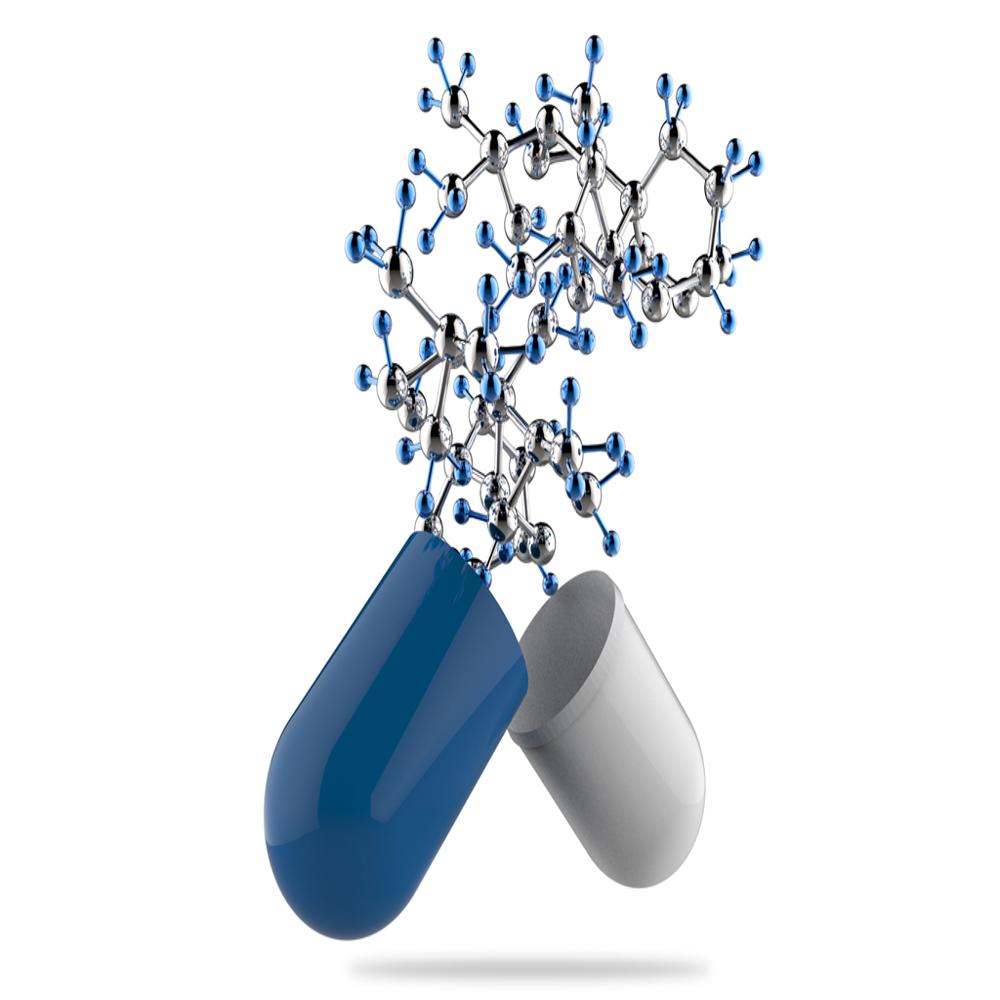
Ornidazole .
Price 1600.0 INR/ Kilograms
MOQ : 25 Kilograms, Kilograms
Ornidazole . Specification
- Smell
- No Smell
- Molecular Weight
- 219.62 Kilograms (kg)
- Structural Formula
- O2N | N C=C N CH2 CHOH CH2Cl | | CH3 (imidazole ring)
- Ph Level
- around 4.5 to 6.5 to maintain stability and palatability.
- Storage
- Dry Place
- Loss on Drying
- not more than 1.0%
- Shelf Life
- 3 Years
- EINECS No
- 240-826-0
- Taste
- Bitter
- Particle Size
- Around 5 to 50 micrometers ( m)
- Melting Point
- 120 C to 122 C
- Boiling point
- 250 C to 260 C (decomposition)
- Molecular Formula
- C H ClN O
- Heavy Metal (%)
- Usually not more than 20 ppm (parts per million)
- HS Code
- 29332990
- Solubility
- Slightly soluble (about 1.5 mg/mL at 25 C)
- Medicine Name
- Ornida
- Chemical Name
- 1-Chloro-3-(2-methyl-5-nitro-1H-imidazol-1-yl)propan-2-ol
- CAS No
- 16773-42-5
- Type
- Pharmaceutical Intermediates
- Grade
- Medicine Grade
- Usage
- Ornidazole is an antimicrobial medication used primarily to treat protozoal and anaerobic bacterial infections.
- Purity(%)
- 98%
- Appearance
- White or Light Yellow Crystalline Powder.
- Physical Form
- Liquid
Ornidazole . Trade Information
- Minimum Order Quantity
- 25 Kilograms, Kilograms
- FOB Port
- Mumbai Port
- Payment Terms
- Cash Against Delivery (CAD), Cash Advance (CA), Cash in Advance (CID), Days after Acceptance (DA), Delivery Point (DP), Letter of Credit at Sight (Sight L/C), Letter of Credit (L/C)
- Supply Ability
- 100 Kilograms, Kilograms Per Day
- Delivery Time
- 7 Days
- Sample Available
- No
- Sample Policy
- Free samples are available
- Packaging Details
- Drum Packing
- Main Export Market(s)
- Asia, Australia, Central America, South America, Eastern Europe, Africa, Western Europe, North America, Middle East
- Certifications
- WE PROVIDES ALL KIND OF CERTIFICATIONS AS YOU REQUIRED
Ornidazole . About
It is used in the treatment of bacterial infections and parasitic infections. In this field we are recognized amongst trusted organization engaged in offering Ornidazole. It is an effective medicine to treat infections caused by protozoa and certain strains of anaerobic bacteria. This drug is used to treat infections of the stomach, intestine, urinary tract and genital area. It is also used to prevent possible infections during a surgical procedure. Ornidazole is an antibiotic drug, kills the bacteria and other microorganisms that cause infections by damaging the DNA.
Ornidazole
Class: Nitroimidazole antimicrobial agent
Type: Antiprotozoal and antibacterial agent
Chemical and Pharmacological Information:
-
Chemical class: Nitroimidazole derivative, structurally related to metronidazole.
-
Mechanism of action: Ornidazole works by entering anaerobic microorganisms (such as protozoa and certain bacteria) and undergoing reduction of its nitro group. This reduction creates reactive intermediates that damage DNA and other critical biomolecules within the pathogen, leading to inhibition of nucleic acid synthesis and ultimately microbial death.
-
Spectrum of activity: Active primarily against anaerobic bacteria and certain protozoa including Trichomonas vaginalis, Giardia lamblia, Entamoeba histolytica, and various anaerobic bacterial infections.
Indications:
-
Treatment of infections caused by susceptible anaerobic bacteria.
-
Protozoal infections such as:
-
Amoebiasis (intestinal and hepatic)
-
Giardiasis
-
Trichomoniasis
-
-
Sometimes used as a part of combination therapy for Helicobacter pylori infection.
-
Bacterial vaginosis
-
Anaerobic infections of skin, respiratory tract, genitourinary tract, and gastrointestinal tract.
Dosage Forms:
-
Oral tablets/capsules
-
Intravenous formulations
-
Sometimes topical formulations
Dosage:
-
Varies depending on indication, severity of infection, and patient factors.
-
Typical oral adult dose for protozoal infections: 500 mg twice daily for 5-10 days.
-
For bacterial infections, dosing and duration may vary.
Pharmacokinetics:
-
Absorption: Well absorbed orally.
-
Distribution: Widely distributed in body tissues and fluids.
-
Metabolism: Metabolized mainly in the liver.
-
Excretion: Primarily renal excretion of metabolites.
Side Effects:
-
Common:
-
Gastrointestinal discomfort (nausea, vomiting, abdominal pain)
-
Metallic taste in the mouth
-
Headache
-
Dizziness
-
-
Less common but serious:
-
Peripheral neuropathy with prolonged use
-
Hypersensitivity reactions
-
Seizures (rare)
-
Disulfiram-like reaction with alcohol (flushing, nausea, vomiting)
-
Contraindications and Precautions:
-
Hypersensitivity to nitroimidazoles.
-
Use cautiously in patients with central nervous system disorders or hepatic impairment.
-
Avoid alcohol during treatment and for at least 48 hours after finishing therapy to prevent disulfiram-like reaction.
-
Not recommended during the first trimester of pregnancy unless clearly needed.
-
Lactation: Use with caution; limited data on safety.
Drug Interactions:
-
Increased anticoagulant effect with warfarin.
-
Potential interaction with other drugs metabolized by liver enzymes.
-
Alcohol causes disulfiram-like reaction.

Tell us about your requirement

Price:
Quantity
Select Unit
- 50
- 100
- 200
- 250
- 500
- 1000+
Additional detail
Mobile number
Email

More Products in Active Pharmaceuticals Ingredients (API) Category
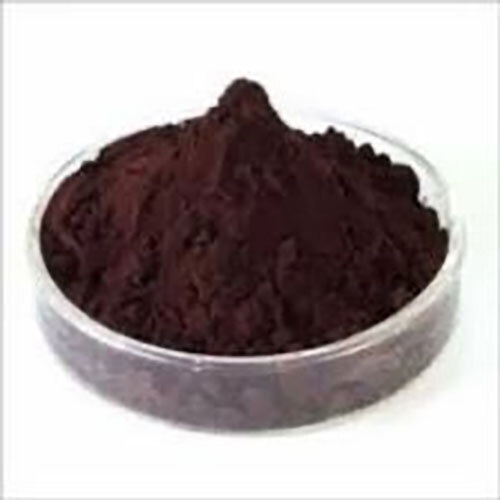
Ferric Hydroxide Polymaltose
Price 350.0 INR / Kilograms
Minimum Order Quantity : 25 Kilograms
Storage : Room Temperature
Type : Other
Medicine Name : Maltofer FerroMal Ferrum Hausmann Haemofer Ferplex Ferrisat Polyfer

Choline Chloride
Price 190.0 INR / Kilograms
Minimum Order Quantity : 25 Kilograms
Storage : Room Temperature
Type : Pharmaceutical Intermediates
Medicine Name : Choline chloride
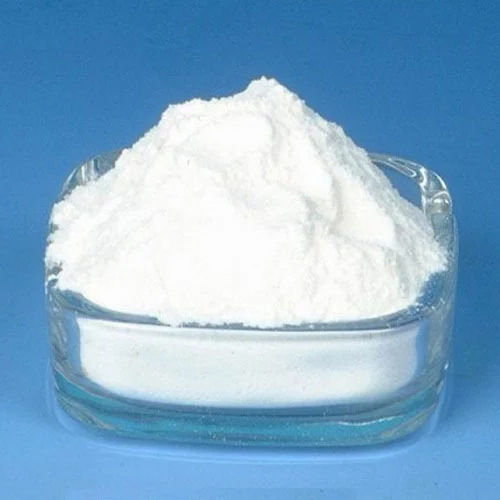
Chlorhexidine Gluconate
Price 200.0 INR / Kilograms
Minimum Order Quantity : 25
Storage : Room Temperature
Type : Pharmaceutical Intermediates
Medicine Name : Chlorhexidine Gluconate
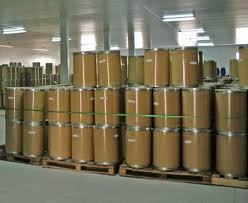
Calcium Lactobionate
Price 18000.0 INR / Kilograms
Minimum Order Quantity : 25 Kilograms
Storage : Room Temperature
Type : Pharmaceutical Intermediates
Medicine Name : Calcium Lactobionate

Contact Us

- 311, Atlantis Heights, Sarabhai Main Road, Vadiwadi,Vadodara - 390007, Gujarat, India
- Phone :08045479576

-
 Send Inquiry
Mr. Nilesh Bansilal Sheth (Partner)
Mobile :08037400111
 : nilesh.sheth70
MR. Tushar V. Kavade (Partner) : tushar.kavade
 Send Inquiry
|


SHREEJI PHARMA INTERNATIONAL
All Rights Reserved.(Terms of Use)
Developed and Managed by Infocom Network Private Limited.
Developed and Managed by Infocom Network Private Limited.

