 08045479576
 08045479576

 Send Inquiry
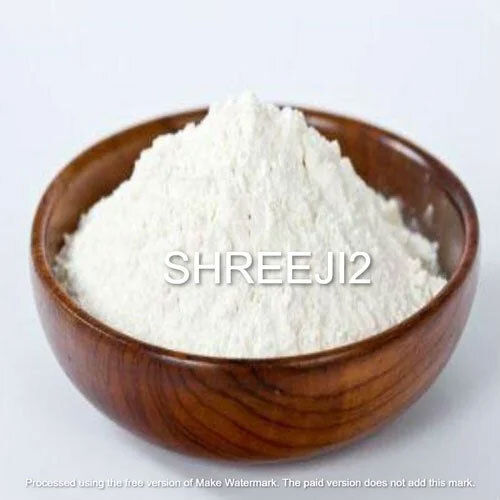
Timolol Maleate Powder
Price 35000.0 INR/ Kilograms
MOQ : 25 Kilograms
Timolol Maleate Powder Specification
- Melting Point
- 200 210 C
- Molecular Formula
- C H N O S C H O
- HS Code
- 29420021
- Storage
- Room Temperature
- Ph Level
- 4.5 and 7
- Molecular Weight
- 432.5 Grams (g)
- Taste
- Odorless
- Solubility
- Soluble in water, methanol; slightly soluble in ethanol
- Loss on Drying
- usually at 105 C
- Smell
- No Smell
- EINECS No
- 234-295-4
- Shelf Life
- 3 Years
- Chemical Name
- (S)-1-(tert-Butylamino)-3-[(4-morpholinyl)-1,2,5-thiadiazol-3-yl]-propan-2-ol maleate
- Type
- Pharmaceutical Intermediates
- Grade
- Medicine Grade
- Usage
- Timolol Maleate is primarily used in the following ways: Ophthalmic Use (Eye Drops) Indication: Timolol Maleate is used to treat glaucoma and ocular hypertension (high intraocular pressure). Mechanism of Action: It is a beta-blocker that works by reducing the amount of fluid produced in the eye, which lowers intraocular pressure. Form: Usually administered as eye drops in concentrations like 0.25% or 0.5%. Dosage: The typical dosage for glaucoma is 1 drop twice daily in the affected eye(s). Systemic Use (Oral) Less common Indication: Timolol can be used for treating hypertension (high blood pressure), angina, and migraine prevention. Mechanism of Action: As a non-selective beta-blocker, it reduces heart rate and blood pressure, and also helps with angina (chest pain).
- Purity(%)
- 99
- Appearance
- white to off-white
- Physical Form
- Powder
Timolol Maleate Powder Trade Information
- Minimum Order Quantity
- 25 Kilograms
- FOB Port
- Mumbai
- Payment Terms
- Cash Advance (CA), Days after Acceptance (DA), Letter of Credit at Sight (Sight L/C), Letter of Credit (L/C)
- Supply Ability
- 100 Kilograms Per Day
- Delivery Time
- 7 Days
- Sample Available
- No
- Sample Policy
- Free samples are available
- Packaging Details
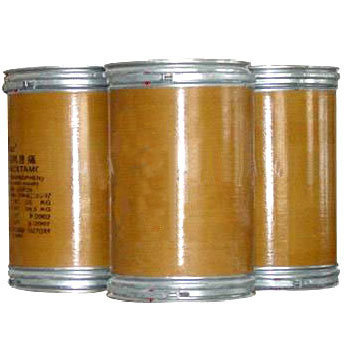
- 25Kgs drum pack
- Main Export Market(s)
- Eastern Europe, Western Europe, Middle East, Asia, North America
- Certifications
- WE PROVIDES ALL KIND OF CERTIFICATIONS AS YOU REQUIRED
Timolol Maleate Powder About
We are offering high quality of Timolol Maleate. We are known for manufacturing, exporting, distributing, trading and supplying Timolol Maleate in in Gujarat, India. Further, this is safely packaged by our professionals in diverse packaging options that maintain its purity and effectiveness.
Shreeji Pharma International is leading Manufacturer, Exporter, Distributor, and Supplier Timolol Maleate in Gujarat. India. Shreeji Pharma International manufacturing & gmp; supplying all products under GMP site with all types of regulatory supports.
Shreeji Pharma International is the largest manufacturer, Exporter and supplier of Timolol Maleate. Nowadays Shreeji Pharma International is one of the leading manufacturer and exporter, who is manufacturing Timolol Maleate as well as Intermediates of Timolol Maleate.
Shreeji Pharma International is exporter, supplier, distributor and manufacturers of the Active Pharmaceuticals Ingredients in many countries for many years.
Shreeji Pharma International currently export Timolol Maleate to countries like Gulf Countries, South East Asia countries, African Countries, CIS Countries, LATAM countries, Central American Countries and in European countries.
Timolol Maleate is a non-selective beta-blocker commonly used in the treatment of various cardiovascular conditions and glaucoma. It works by reducing the heart rate, decreasing blood pressure, and lowering intraocular pressure in the eye. Timolol Maleate is particularly important in the management of hypertension, heart-related conditions, and in treating ocular hypertension and glaucoma.
Description & Properties:
Chemical Formula: C13H24N4O3C4H4O4
Molecular Weight: 432.46 g/mol
Appearance: White to off-white crystalline powder.
Solubility: Soluble in water and alcohol.
Melting Point: Timolol Maleate typically melts around 150C.
Timolol Maleate is the maleate salt form of Timolol, which improves the compound's solubility and stability, particularly for use in medications. It is available in both oral and topical forms, the latter primarily used in eye drops for ocular conditions.
Mechanism of Action:
Timolol works as a beta-adrenergic antagonist (beta-blocker). By blocking beta-1 and beta-2 receptors, it reduces the effects of adrenaline and noradrenaline (catecholamines) in the body. This leads to:
Reduction of heart rate and blood pressure by inhibiting sympathetic nervous system activity.
Decreased intraocular pressure by reducing the production of aqueous humor in the eye, which is why it is used in treating glaucoma.
Decrease in the risk of arrhythmias and the prevention of sudden cardiac death in people with heart conditions.
Uses:
Timolol Maleate is used for several medical conditions, including:
Hypertension (High Blood Pressure): It is used to reduce high blood pressure by decreasing the heart's workload.
Angina Pectoris: Helps to manage chest pain associated with angina by improving oxygen delivery to the heart.
Glaucoma and Ocular Hypertension: When used in eye drop form, Timolol Maleate reduces intraocular pressure, making it an effective treatment for glaucoma and ocular hypertension.
Post-Heart Attack Care: Timolol can be prescribed to help prevent further heart attacks in patients who have already experienced one.
Prevention of Migraine Headaches: In some cases, Timolol is used to prevent migraines, though this use is less common.
Dosage and Administration:
Oral Tablets:
For hypertension or angina, the typical starting dose is 10 to 20 mg once or twice a day, which may be increased depending on the patient's response.
Ophthalmic (Eye Drop) Solution:
The usual dosage for glaucoma is one drop in the affected eye(s) twice a day.
Titration: The dosage should be adjusted based on the individual patient's response to the drug, under the supervision of a healthcare professional.
Side Effects:
While Timolol Maleate is generally well-tolerated, it can cause side effects, especially at higher doses:
Cardiovascular: Bradycardia (slow heart rate), hypotension (low blood pressure), heart failure.
Respiratory: Bronchospasm (especially in asthmatic patients), wheezing, or shortness of breath due to beta-2 receptor blockade.
Ophthalmic (when used as eye drops): Burning, stinging, dry eyes, or blurred vision.
Central Nervous System: Dizziness, fatigue, depression, or headache.
Gastrointestinal: Nausea, diarrhea, or stomach discomfort.
Skin Reactions: Rash, itching, or changes in skin color.
Precautions:
Asthma and Chronic Obstructive Pulmonary Disease (COPD): Since Timolol is a non-selective beta-blocker, it can exacerbate bronchospasm in patients with asthma or COPD. It should generally be avoided in these individuals.
Bradycardia or Heart Block: Patients with low heart rate or heart block (unless they have a pacemaker) should not take Timolol.
Hypotension: Use caution in individuals who are prone to low blood pressure.
Diabetes: Timolol can mask symptoms of low blood sugar (hypoglycemia), such as a rapid heart rate, in diabetic patients. Blood sugar levels should be closely monitored.
Pregnancy and Lactation: Timolol is classified as a Category C drug for pregnancy, meaning it should be used during pregnancy only if the potential benefit justifies the risk to the fetus. It may also pass into breast milk, so caution should be exercised when administered to breastfeeding mothers.
Contraindications:
Severe bradycardia: Timolol should not be used in patients with severe slow heart rate (less than 45-50 beats per minute).
Severe asthma or chronic obstructive pulmonary disease (COPD) with bronchospasm.
Cardiogenic shock or severe heart failure.
Hypersensitivity: Patients with known allergies to Timolol or other beta-blockers should not use this medication.
Storage:
Store in a cool, dry place away from light.
Keep the medication in its original packaging to protect it from moisture.
Eye drops should be discarded after a specified time (e.g., 30 days) after opening to prevent contamination.
Conclusion:
Timolol Maleate is a versatile and effective beta-blocker used primarily for managing cardiovascular conditions like hypertension, angina, and heart attack prevention, as well as for treating glaucoma and ocular hypertension. It works by reducing heart rate and blood pressure and lowering intraocular pressure. While effective, it requires careful monitoring, especially in patients with respiratory conditions like asthma or those with low blood pressure or slow heart rate.
Tell us about your requirement

Price:
Quantity
Select Unit
- 50
- 100
- 200
- 250
- 500
- 1000+
Additional detail
Mobile number
Email

More Products in Active Pharmaceuticals Ingredients (API) Category
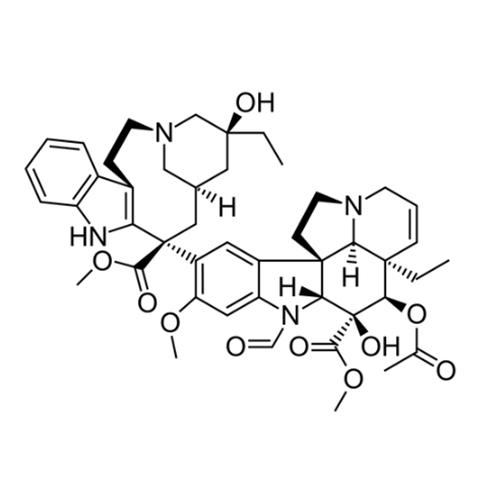
Sild enafil Citrate Powder
Price 1425.0 INR / Kilograms
Minimum Order Quantity : 25 Kilograms
Molecular Weight : 1 GSM (gm/2)
Purity(%) : 99%
Storage : Room Temperature
Prednisolone Acetate
Price 45000.0 INR / Kilograms
Minimum Order Quantity : 25 Kilograms
Molecular Weight : 400.5 Milligram (mg)
Purity(%) : 98.0% to 102.0%
Storage : Room Temperature
Timolol Maleate
Price 35000.0 INR / Kilograms
Minimum Order Quantity : 25 Kilograms
Molecular Weight : 432.55 Grams (g)
Purity(%) : 99.26%
Storage : Room Temperature
Zinc Carnosine
Price 19000.0 INR / Kilograms
Minimum Order Quantity : 25 Kilograms
Molecular Weight : 289.55 Grams (g)
Purity(%) : 98%
Storage : Room Temperature

Contact Us

- 311, Atlantis Heights, Sarabhai Main Road, Vadiwadi,Vadodara - 390007, Gujarat, India
- Phone :08045479576

-
 Send Inquiry
Mr. Nilesh Bansilal Sheth (Partner)
Mobile :08037400111
 : nilesh.sheth70
MR. Tushar V. Kavade (Partner) : tushar.kavade
 Send Inquiry
|


SHREEJI PHARMA INTERNATIONAL
All Rights Reserved.(Terms of Use)
Developed and Managed by Infocom Network Private Limited.
Developed and Managed by Infocom Network Private Limited.

