 08045479576
 08045479576

 Send Inquiry
Trimetazidine Dihydrochloride
Price 7200.0 INR/ Kilograms
MOQ : 25 Kilograms
Trimetazidine Dihydrochloride Specification
- Heavy Metal (%)
- NMT 10 ppm
- Taste
- Odorless
- HS Code
- 29214190
- Smell
- No Smell
- Solubility
- Freely soluble
- Loss on Drying
- NMT0.5%
- Shelf Life
- 5 Years
- Ph Level
- 4.5 5.5
- Storage
- Room Temperature
- Molecular Weight
- 343.26 Grams (g)
- Melting Point
- 280 282
- EINECS No
- 236-118-2
- Particle Size
- 90% of particles smaller than
- Molecular Formula
- C H Cl N O
- Medicine Name
- Trimetazidine Dihydrochloride
- Chemical Name
- 1-(2,3,4-trimethoxybenzyl)piperazine dihydrochloride
- CAS No
- 13171-25-0
- Type
- Pharmaceutical Intermediates
- Grade
- Medicine Grade
- Usage
- Chronic Stable Angina Pectoris Trimetazidine is used as an adjunct therapy in adults with: Chronic stable angina who are not adequately controlled by other antianginal agents (e.g., beta-blockers, calcium channel blockers) Or those who cannot tolerate first-line therapies due to side effects It does not relieve acute angina attacks and is not a replacement for nitrates or beta-blockers, but rather complements them.
- Purity(%)
- 98%
- Appearance
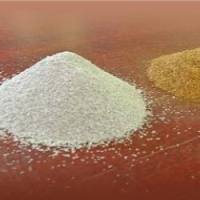
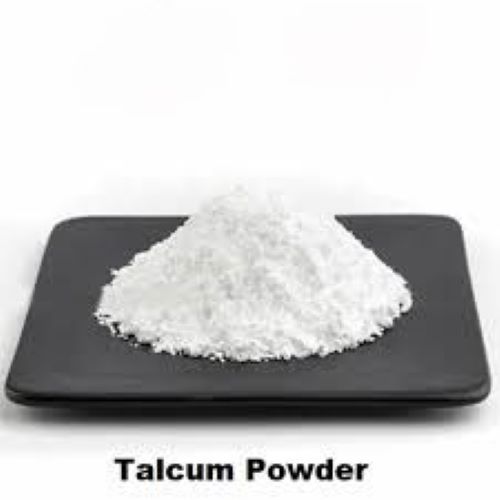
- White or almost white crystalline powder
- Physical Form
- Powder
Trimetazidine Dihydrochloride Trade Information
- Minimum Order Quantity
- 25 Kilograms
- FOB Port
- MUMBAI
- Payment Terms
- Cash Advance (CA), Cash in Advance (CID)
- Supply Ability
- 100 Kilograms Per Day
- Delivery Time
- 7 Days
- Sample Available
- No
- Sample Policy
- Free samples are available
- Packaging Details
- DRUM PACK
- Main Export Market(s)
- Western Europe, Asia, Australia, Central America, North America, South America, Eastern Europe, Middle East, Africa
- Certifications
- WE PROVIDES ALL KIND OF CERTIFICATIONS AS YOU REQUIRED
Trimetazidine Dihydrochloride About
We are offering high quality of Trimetazidine Di HCL. We are known for manufacturing, exporting, distributing, trading and supplying Trimetazidine Di HCL in in Gujarat, India. Further, this is safely packaged by our professionals in diverse packaging options that maintain its purity and effectiveness.
Shreeji Pharma International is leading Manufacturer, Exporter, Distributor, and Supplier Trimetazidine Di HCL in Gujarat. India. Shreeji Pharma International manufacturing & gmp; supplying all products under GMP site with all types of regulatory supports.
Shreeji Pharma International is the largest manufacturer, Exporter and supplier of Trimetazidine Di HCL. Nowadays Shreeji Pharma International is one of the leading manufacturer and exporter, who is manufacturing Trimetazidine Di HCL as well as Intermediates of Trimetazidine Di HCL.
Shreeji Pharma International is exporter, supplier, distributor and manufacturers of the Active Pharmaceuticals Ingredients in many countries for many years.
Shreeji Pharma International currently export Trimetazidine Di HCL to countries like Gulf Countries, South East Asia countries, African Countries, CIS Countries, LATAM countries, Central American Countries and in European countries.
Trimetazidine Dihydrochloride (often abbreviated as Trimetazidine HCl) is a medication primarily used to treat angina pectoris (chest pain due to heart disease) and to improve cardiac function in people with ischemic heart disease. It is classified as a metabolic agent because it works by improving the efficiency of the heart muscle's energy production, thus reducing the severity of ischemic conditions and relieving symptoms.
Here are the key details about Trimetazidine Dihydrochloride:
1. Chemical Structure and Properties
Chemical Name: 1-(2,3,4-Trimethoxybenzyl)-2,3,4-trimethylimidazole dihydrochloride
Molecular Formula: C15H22N2O32HCl
Appearance: White or almost white crystalline powder.
Solubility: Trimetazidine dihydrochloride is freely soluble in water and ethanol, making it easy for the body to absorb when taken orally.
Molecular Weight: 354.32 g/mol (for the dihydrochloride form).
2. Mechanism of Action
Trimetazidine is not a vasodilator like traditional anti-anginal drugs (e.g., nitrates or calcium channel blockers). Instead, it works by improving the efficiency of the heart muscles metabolism under ischemic (oxygen-deprived) conditions. It acts by:
Shifting the metabolism of the heart: Trimetazidine reduces the reliance on fatty acids (which are less efficient for energy production) and increases glucose oxidation for energy in heart cells. This shift improves the energy efficiency of the heart muscle, especially during oxygen deprivation, thereby reducing the strain on the heart.
Preventing cellular damage: Trimetazidine has been shown to protect heart cells from damage caused by ischemia (lack of oxygen) by improving the energy supply and reducing oxidative stress.
3. Indications
Trimetazidine Dihydrochloride is primarily used to treat:
Angina Pectoris: Trimetazidine is used as an adjunct treatment for angina, particularly in cases where other anti-anginal medications (such as nitrates or beta-blockers) are insufficient or not well-tolerated.
Ischemic Heart Disease: It is also used to improve heart function in patients with chronic ischemic heart disease, especially those who have coronary artery disease or a history of myocardial infarction.
Vestibular Disorders: In some countries, Trimetazidine is also used off-label to treat vestibular disorders, such as dizziness or vertigo, particularly in patients with certain types of inner ear problems.
4. Dosage and Administration
Oral Tablets: Trimetazidine Dihydrochloride is usually taken orally in tablet form.
The standard adult dosage for angina pectoris is typically 20 mg, taken two or three times daily, with meals. The maximum recommended daily dose is 60 mg.
Adjustments may be necessary for elderly patients or those with kidney issues. In these cases, lower doses (e.g., 20 mg twice daily) may be recommended.
Administration: The tablets should be swallowed whole with a glass of water, and should ideally be taken with meals to improve absorption and reduce gastrointestinal irritation.
5. Side Effects
Trimetazidine Dihydrochloride is generally well-tolerated, but like any medication, it can cause side effects in some people:
Common Side Effects:
Dizziness
Headache
Nausea or upset stomach
Fatigue
Skin rash
Neurological Side Effects (less common but potentially serious):
Parkinsonism-like symptoms: These can include tremors, muscle rigidity, and bradykinesia (slowness of movement). These symptoms are more common in elderly patients.
Extrapyramidal Symptoms: In rare cases, Trimetazidine can cause motor control disturbances similar to Parkinsons disease.
Severe Side Effects (very rare):
Severe allergic reactions (e.g., anaphylaxis) in some individuals.
Liver toxicity: While very rare, there have been cases of liver enzyme elevations. Liver function should be monitored if any symptoms of liver problems occur.
6. Contraindications and Precautions
Hypersensitivity: Trimetazidine should not be used in individuals with a known hypersensitivity (allergic reaction) to trimetazidine or any of its components.
Parkinsons Disease or Movement Disorders: Due to the potential for causing extrapyramidal symptoms, Trimetazidine should be avoided in individuals with Parkinsons disease or other movement disorders.
Severe Renal Impairment: Trimetazidine should be used with caution in patients with severe kidney dysfunction. Dose adjustments may be required for those with mild to moderate renal impairment.
Pregnancy and Lactation: Trimetazidine is not recommended for use during pregnancy and breastfeeding, as its safety during these periods has not been fully established.
Elderly Patients: Special caution is required for elderly individuals, as they may be more prone to extrapyramidal side effects.
7. Drug Interactions
Trimetazidine generally has a low potential for drug interactions, but the following should be considered:
Other Anti-Anginal Medications: While there are no direct contraindications, careful monitoring is advised when combining Trimetazidine with other anti-anginal medications, such as nitrates, beta-blockers, or calcium channel blockers, to avoid any cumulative side effects.
Parkinson's Disease Medications: Trimetazidine may exacerbate symptoms of Parkinsons disease when used in combination with dopamine agonists or other treatments for Parkinsons disease.
8. Pharmacokinetics
Absorption: Trimetazidine Dihydrochloride is well absorbed from the gastrointestinal tract, with peak plasma concentrations typically reached within 12 hours after oral administration.
Metabolism: It is metabolized in the liver, and its half-life is approximately 7 hours.
Excretion: Trimetazidine is primarily excreted unchanged in the urine. Because of this, dose adjustments may be necessary in patients with kidney dysfunction.
9. Safety and Effectiveness
Trimetazidine has been shown to be effective in improving the quality of life for patients with angina and ischemic heart disease. It works by improving cellular energy efficiency, which reduces the hearts oxygen demand. It is often used as part of a comprehensive treatment plan that includes other medications such as nitrates, beta-blockers, and calcium channel blockers.
Effectiveness: Clinical studies show that Trimetazidine is effective in reducing the frequency and severity of angina attacks and can help improve exercise tolerance in patients with ischemic heart disease.
Safety: While generally safe, it must be used cautiously in the elderly and in patients with kidney disease due to potential side effects like extrapyramidal symptoms and the need for dose adjustments.
10. Regulatory Status
FDA Approval: Trimetazidine is not currently approved by the U.S. FDA for use in the treatment of angina or ischemic heart disease. However, it is approved in many countries in Europe, Asia, and Latin America for the treatment of these conditions.
European and Other International Use: It is approved in Europe and many other countries for the treatment of angina pectoris and ischemic heart disease. It is also used in some countries for managing vestibular disorders.
11. Conclusion
Trimetazidine Dihydrochloride is a unique anti-anginal medication that works by optimizing the metabolic function of the heart, improving its energy efficiency during ischemic conditions. While generally well-tolerated, it is associated with potential side effects such as extrapyramidal symptoms, particularly in elderly patients. It is an effective adjunct therapy for angina and ischemic heart disease but should be used with caution in individuals with renal impairment or movement disorders. Patients should be monitored for side effects, particularly during long-term use.

Tell us about your requirement

Price:
Quantity
Select Unit
- 50
- 100
- 200
- 250
- 500
- 1000+
Additional detail
Mobile number
Email

More Products in Active Pharmaceuticals Ingredients (API) Category
Zinc Pyrithione
Price 500.0 INR / Kilograms
Minimum Order Quantity : 25 Kilograms
Grade : Medicine Grade
Medicine Name : Zinc Pyrithione
Type : Pharmaceutical Intermediates
Nikethamide BP
Price 2900 INR / Kilograms
Minimum Order Quantity : 25 Kilograms
Grade : Medicine Grade
Medicine Name : Nikethamide
Type : Pharmaceutical Intermediates
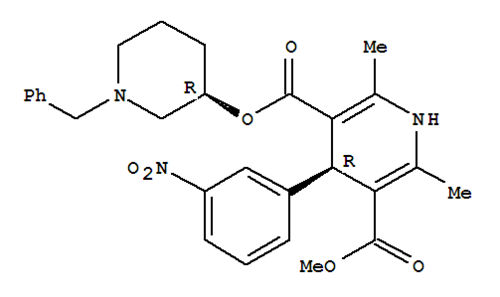
Benidipine Hydrochloride
Price 1400.0 INR / Kilograms
Minimum Order Quantity : 25 Kilograms
Grade : Medicine Grade
Medicine Name : Benidipine
Type : Pharmaceutical Intermediates

Hydroxyzine Hydrochloride
Price Range 25.00 - 50.00 INR
Minimum Order Quantity : 50 Kilograms
Grade : Medicine Grade
Medicine Name : Hydroxyzine Hydrochloride
Type : Pharmaceutical Intermediates

Contact Us

- 311, Atlantis Heights, Sarabhai Main Road, Vadiwadi,Vadodara - 390007, Gujarat, India
- Phone :08045479576

-
 Send Inquiry
Mr. Nilesh Bansilal Sheth (Partner)
Mobile :08037400111
 : nilesh.sheth70
MR. Tushar V. Kavade (Partner) : tushar.kavade
 Send Inquiry
|


SHREEJI PHARMA INTERNATIONAL
All Rights Reserved.(Terms of Use)
Developed and Managed by Infocom Network Private Limited.
Developed and Managed by Infocom Network Private Limited.

