 08045479576
 08045479576
Showroom
(586)
Active Pharmaceuticals Ingredients or API, as the name suggests are the biologically active components or ingredients of a pharmaceutical drug that interacts with the bio-receptors in the body and bring about a change in the physiology. API is often used in place of 'bulk active ingredients' as an exchange term, and as for the dosage form in case of pharmaceuticals, they contain the API , which is the drug itself.
(6)
In the pharmaceutical industry, pellets and granules are the final condensed forms that are made after the primary particles in powdered form are made to adhere to each other, to take a composite form. The process used to accomplish it is generally called granulation, in which binds are formed between the particles via compressions or by using binding agents.
(13)
Nutraceuticals are pharmaceutical grade standardized nutrients that are regulated in form of dietary supplements and food additives, and are certified by pharma regulation authorities and concerned standardization agencies. They primarily consist of nutrients derived from food products like amino acids, minerals and vitamins, concentrated in liquid, powdered and capsule forms, and are usually taken orally.
(8)
Produced by plants in form of innate defense mechanism or for the sake of differentiation and other bioactive functions, Phytochemicals provide a number of distinct character to certain plants. They are widely used in traditional and modern medicines and are known for a wide host of health benefits like anti-inflammatory and pain relieving properties as well as calmness inducing characteristics.
(12)
The main purpose of excipient is to serve as long term stabilizing agents for pharmaceutical active ingredients used in formulation of a wide array of medicines and pharmaceutical drugs. They also have a wide array of other functions too, such as reduction of viscosity, aiding in absorption of pharmaceutical drugs, enhancing solubility as well as increasing powder flowability and stability enhancement during the manufacturing process.
(24)
As the name clearly suggests, the Veterinary Raw Materials are used in the veterinary offshoot or specialty domain in the field of medical science, and are used in formulation of a wide array of veterinary medicines. These raw materials make up the medicines used in treatment, prevention and diagnosis of a wide array of animal diseases and also used in control of zoonotic diseases.

(7)
Food supplements are generally taken in form of supplementary nutritional intake and dietary add-ons to fulfill the body's requirement of nutrients that are not in consumption, or are generally missing or in low quantity in the body systems. The major nutrients that form part of regular supplements are minerals, fibers, amino acids, vitamins and fatty acids, and are used to supplement an individual's diet.
(47)
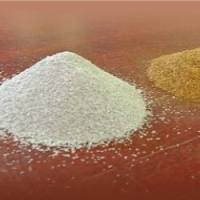
As is very clearly evident from the name, cosmetic ingredients form the basic constituents of a wide range of cosmetics, ranging from serving as the fundamental substrates to acting as color and fragrance imparting agents, apart from other skin benefits, if any. Their availability is under supervision of health regulatory authorities to check for and curb the supply of any potentially harmful products.
(16)
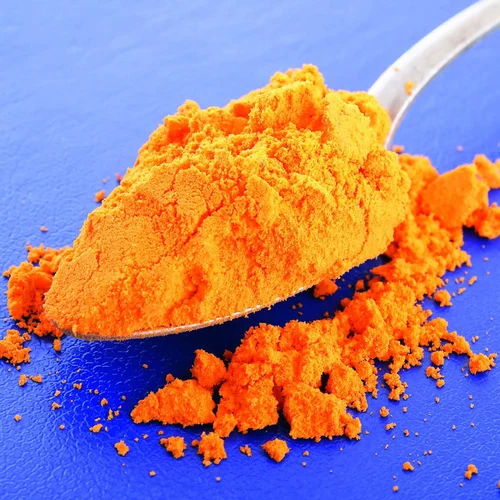
As is suggested by the moniker, Herbal Extracts are bio active chemical compounds and substances that are derived/extracted from plant varied plant parts viz. roots, leaves and stems of diverse plant species. They are widely used for medicinal purpose in formulation of pharmaceutical drugs, dietary supplements as well as cosmetics among others.
(4)
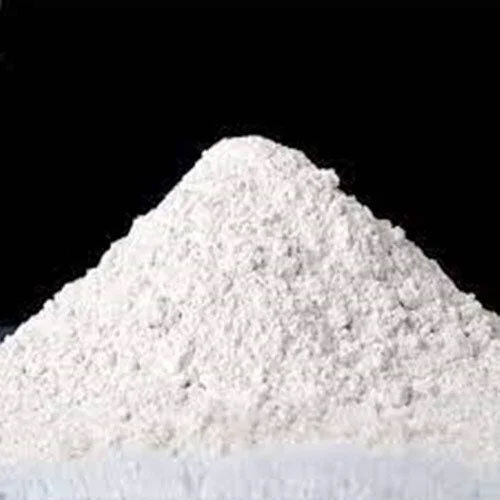
Solvent Pharma Grade demonstrates a dedication to pharmaceutical excellence by prioritising quality assurance and adhering to industry standards. It offers a dependable platform for the research and manufacturing of superior drugs. They are chosen with care to satisfy the strict specifications of pharmaceutical procedures.
(9)
PHARMA API ingredient in a pharmaceutical drug is the actual substance that results in the therapeutic effect when introduced to the patient. Their production, manufacture, and regulatory aspects are very sophisticated and require exactness, safety, and innovation. The largest application of APIs is in medicines that are prescribed to treat or manage diseases and conditions or for improving the quality of life.
(13)
Pharma Raw Materials are substances or compounds used to manufacture pharmaceutical products, which are the APIs and excipients. This encompasses both active ingredients responsible for the therapeutic effect and inactive ingredients, commonly known as excipients, involved in the preparation, stabilization, and delivery of the drug. These are at the heart of the pharmaceutical industry, forming the basis of making effective and safe drugs.
Contact Us

- 311, Atlantis Heights, Sarabhai Main Road, Vadiwadi,Vadodara - 390007, Gujarat, India
- Phone :08045479576

-
 Send Inquiry
Mr. Nilesh Bansilal Sheth (Partner)
Mobile :08037400111
 : nilesh.sheth70
MR. Tushar V. Kavade (Partner) : tushar.kavade
 Send Inquiry
|


SHREEJI PHARMA INTERNATIONAL
All Rights Reserved.(Terms of Use)
Developed and Managed by Infocom Network Private Limited.
Developed and Managed by Infocom Network Private Limited.



