Call Us08045479576
Decoquinate 18507-89-6 Decoquinate 18507-89-6 Decoquinate 18507-89-6
Decoquinate 18507-89-6
Decoquinate 18507-89-6 Decoquinate 18507-89-6

Decoquinate 18507-89-6

7400.0 INR/Kilograms

Product Details:

  • Molecular Weight 417.54 Grams (g)
  • EINECS No 242-389-1
  • Molecular Formula C24H35NO5
  • Loss on Drying Typically 1.0%
  • Solubility Slightly soluble in chloroform and methanol
  • Boiling point Approximately 537.7 C at 760 mmHg
  • Shelf Life 2 Years
  • Click to View more
X

Decoquinate 18507-89-6 Price And Quantity

  • 7400.0 INR/Kilograms
  • 5 Kilograms

Decoquinate 18507-89-6 Product Specifications

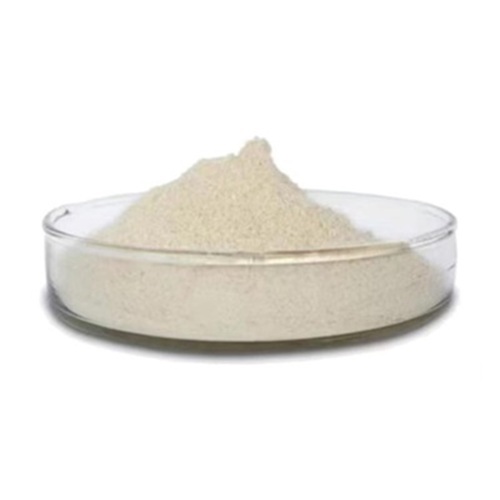
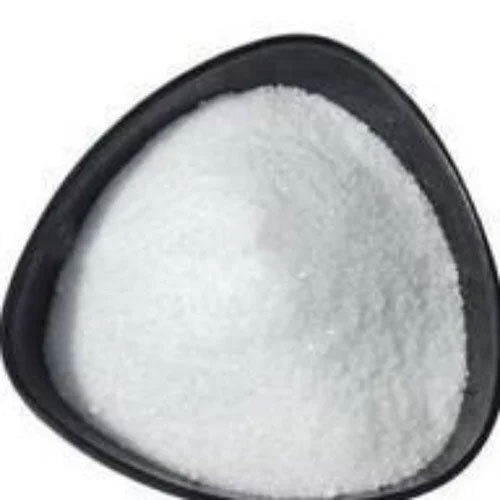
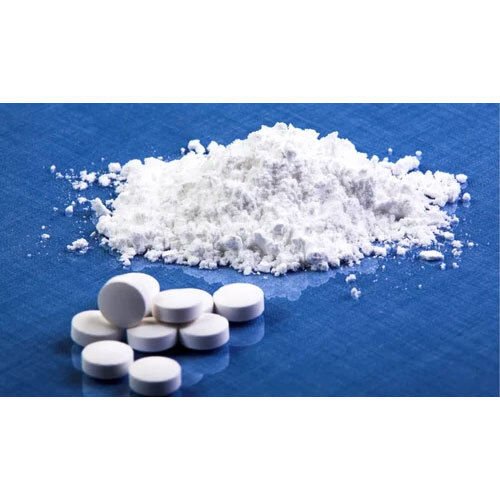
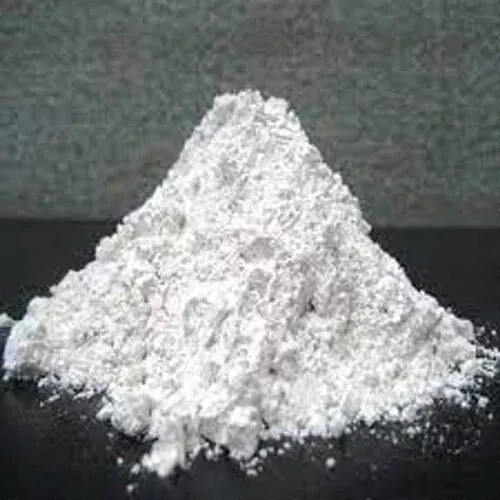
  • White crystalline powder
  • 241.0 to 245.0 C
  • 2 Years
  • Decoquinate
  • Approximately 537.7 C at 760 mmHg
  • Not specified; typically neutral in aqueous solution
  • Pharmaceutical Intermediates
  • No Smell
  • C24H35NO5
  • 242-389-1
  • 417.54 Grams (g)
  • Slightly soluble in chloroform and methanol
  • Typically 1.0%
  • Decoquinate is primarily used in the treatment and prevention of coccidiosis in various animal species, particularly in: Poultry: For the prevention and control of coccidial infections that affect chickens and turkeys. Livestock: For managing coccidiosis in cattle, sheep, and goats. Other animals: It can also be used for other species affected by coccidia. Decoquinate is often included in medicated animal feeds or water to provide ongoing control over the parasite during periods when the risk of infection is high
  • 80 to 120 microns (D50)
  • : 4,4'-[(2S)-2,3-Dihydroxypropyl]bis(6-methoxyquinazoline)
  • Medicine Grade
  • Room Temperature
  • 2933.49-000
  • 99
  • Powder
  • 0.002%
  • 18507-89-6
  • Odorless

Decoquinate 18507-89-6 Trade Information

  • mumbai
  • Cash Against Delivery (CAD), Cash Advance (CA), Cash in Advance (CID), Delivery Point (DP), Letter of Credit at Sight (Sight L/C), Telegraphic Transfer (T/T), Letter of Credit (L/C)
  • 10000 Kilograms Per Month
  • 7 Days
  • No
  • Free samples are available
  • DRUM PACK , BAG PACK
  • Asia, Australia, Central America, North America, South America, Eastern Europe, Western Europe, Middle East
  • WE PROVIDES ALL KIND OF CERTIFICATIONS AS YOU REQUIRED

Product Description

We are offering high quality of Decoquinate. We are known for manufacturing, exporting,distributing, trading and supplying Decoquinate in Gujarat, India. Further, this is safely packaged by our professionals in diverse packaging options that maintain its purity and effectiveness.

Shreeji Pharma International is leading Manufacturer, Exporter, Distributor, and Supplier of Decoquinate in Gujarat. India. Shreeji Pharma International manufacturing & gmp; supplying all products under GMP site with all types of regulatory supports.

Shreeji Pharma International is the largest manufacturer, Exporter and supplier ofDecoquinate. Nowadays Shreeji Pharma International is one of the leading manufacturer and exporter, who is manufacturing Decoquinate as well as Intermediates of Decoquinate.

Shreeji Pharma International is exporter, supplier, distributor and manufacturers of the Active Pharmaceuticals Ingredients in many countries for many years.

Shreeji Pharma International currently export Decoquinate to countries likeGulf Countries, South East Asia countries, African Countries, CIS Countries, LATAM countries, Central American Countries and in European countries.

Decoquinate is an active pharmaceutical ingredient (API) primarily used as an anticoccidial agent in veterinary medicine. It is effective in the prevention and treatment of coccidiosis, a parasitic disease that affects poultry, livestock, and other animals. Decoquinate is commonly used in animal feed to control and prevent the growth of coccidia, which are protozoan parasites that cause damage to the intestines of infected animals.

1. Chemical Description:

Chemical Name: 4,4-[(2S)-2,3-Dihydroxypropyl]bis(6-methoxyquinazoline)

Molecular Formula: C21H20N2O4

Molecular Weight: 364.40 g/mol

CAS Number: 18318-82-4

Decoquinate is a quinazoline derivative that contains a methoxy group, which contributes to its pharmacological activity as an anticoccidial agent.

3. Uses:

Decoquinate is primarily used in the treatment and prevention of coccidiosis in various animal species, particularly in:

Poultry: For the prevention and control of coccidial infections that affect chickens and turkeys.

Livestock: For managing coccidiosis in cattle, sheep, and goats.

Other animals: It can also be used for other species affected by coccidia.

Decoquinate is often included in medicated animal feeds or water to provide ongoing control over the parasite during periods when the risk of infection is high.

4. Physical Characteristics:

Appearance: Decoquinate is typically a white to off-white crystalline powder.

Solubility: It is slightly soluble in water but more soluble in organic solvents like ethanol and acetone.

Stability: Decoquinate is relatively stable when stored under dry and cool conditions, but it should be kept away from moisture to maintain its potency.

5. Dosage and Administration:

Decoquinate is usually administered via feed or drinking water in animals, and the dosage depends on the species being treated and the severity of the infection.

For poultry, typical dosage ranges from 0.5 to 1 mg per kg of body weight per day.

For livestock (cattle, sheep, goats), the dosage is similar, and the drug may be incorporated into the feed at a rate determined by veterinarians.

The drug is typically provided for several weeks to ensure complete eradication of the coccidial infection and to prevent re-infection.

6. Side Effects:

Decoquinate is generally considered safe when used as directed in animals, but improper use or overdosing may result in:

Gastrointestinal upset in animals (diarrhea, vomiting).

Liver or kidney strain (though rare).

Reduced growth rate or reduced feed intake if overdosed.

Always ensure proper dosing to avoid toxicity or underdosing, which could lead to ineffective treatment.

7. Precautions:

Animal-specific dosing: Decoquinate should be used according to species-specific dosing guidelines, as different animals have varying tolerances.

Withdrawal periods: Animals treated with Decoquinate should have a withdrawal period before they are slaughtered for food consumption. This ensures that any residual drug is cleared from the animals system.

Pregnancy and Lactation: Decoquinate should be used with caution in pregnant or lactating animals unless specifically recommended by a veterinarian.

8. Storage:

Decoquinate powder should be stored in a cool, dry place away from direct sunlight and moisture to maintain its stability.

Ideal storage temperature is typically between 15C to 30C (59F to 86F).

The product should be kept in tightly sealed containers to protect it from moisture and contamination.

9. Overdose:

Symptoms of overdose may include gastrointestinal distress in animals, such as diarrhea, vomiting, or dehydration.

In case of overdose, symptomatic treatment may be required, and the animal should be monitored closely.

10. Regulatory Status:

Decoquinate is regulated by veterinary and agricultural agencies, such as the FDA (U.S. Food and Drug Administration) and other international regulatory bodies. In many countries, it is approved for use in animal feed and water, under specific conditions and dosage regulations.

11. Safety and Efficacy:

Decoquinate has been proven effective in reducing the incidence of coccidiosis when used as part of a comprehensive preventative program in poultry and livestock management.

It is also effective in preventing outbreaks in high-risk environments, such as intensive farming operations, where coccidia infections can spread rapidly

Key Features of Decoquinate

Decoquinate, a pharmaceutical-grade powder, is recognized for its high purity (99%), white crystalline appearance, and stable shelf life of two years. It demonstrates excellent safety with low heavy metal content and consistent particle size (80120 microns). Its primary use is in veterinary medicine, specifically to prevent coccidiosis in poultry and livestock.


Applications in Animal Health

This compound is widely employed in treating and preventing coccidiosis, a common parasitic infection affecting chickens, turkeys, cattle, sheep, and goats. Decoquinate is commonly incorporated into animal feed or water to provide targeted protection during periods of high infection risk. Its neutral taste and lack of odor help ensure ease of administration.


Handling, Storage, and Quality Assurance

Decoquinate should be stored at room temperature to retain its physical and chemical integrity. The products quality is ensured by rigorous controls on heavy metals and moisture content. As a slightly soluble substance, it is mixed thoroughly for optimal efficacy in medicated animal feeds. Comprehensive specifications ensure reliable, consistent performance for veterinary applications.

FAQs of Decoquinate 18507-89-6:


Q: How is Decoquinate typically used in animal health management?

A: Decoquinate is primarily used for the prevention and control of coccidiosis in poultry, cattle, sheep, and goats. It is incorporated into medicated animal feed or water to deliver consistent dosages and maintain protection against parasitic infections during vulnerable periods.

Q: What are the main benefits of using Decoquinate?

A: The main benefits of Decoquinate include effective prevention and control of coccidial infections, a broad spectrum of activity against various animal species, and ease of administration due to its odorless, tasteless nature. Its high purity and low heavy metal content also support animal safety and health.

Q: When should Decoquinate be administered to animals?

A: Decoquinate is recommended during high-risk periods for coccidiosis, such as when animals are young, stressed, or exposed to potentially contaminated environments. It is often used as a preventive measure rather than a curative treatment.

Q: Where can Decoquinate be obtained and who supplies it?

A: Decoquinate is distributed by manufacturers, exporters, suppliers, and traders based in India, and is available for export worldwide. It can be ordered directly through established pharmaceutical and veterinary distributors.

Q: What is the recommended storage condition for Decoquinate powder?

A: Decoquinate should be stored at room temperature in a dry, well-sealed container to preserve its crystalline structure and chemical stability. Proper storage also ensures a maximum shelf life of two years.

Q: How is Decoquinate incorporated into animal feed or water?

A: Due to its fine particle size (80120 microns D50) and slight solubility, Decoquinate is thoroughly blended into animal feed or dissolved in water to guarantee uniform distribution and effective dosing.

Tell us about your requirement
product

Price:

Quantity
Select Unit

  • 50
  • 100
  • 200
  • 250
  • 500
  • 1000+
Additional detail
Mobile number

Email

Other Products in 'Pharma Raw Materials' category